 Live
Live Give
Give


 Store
Store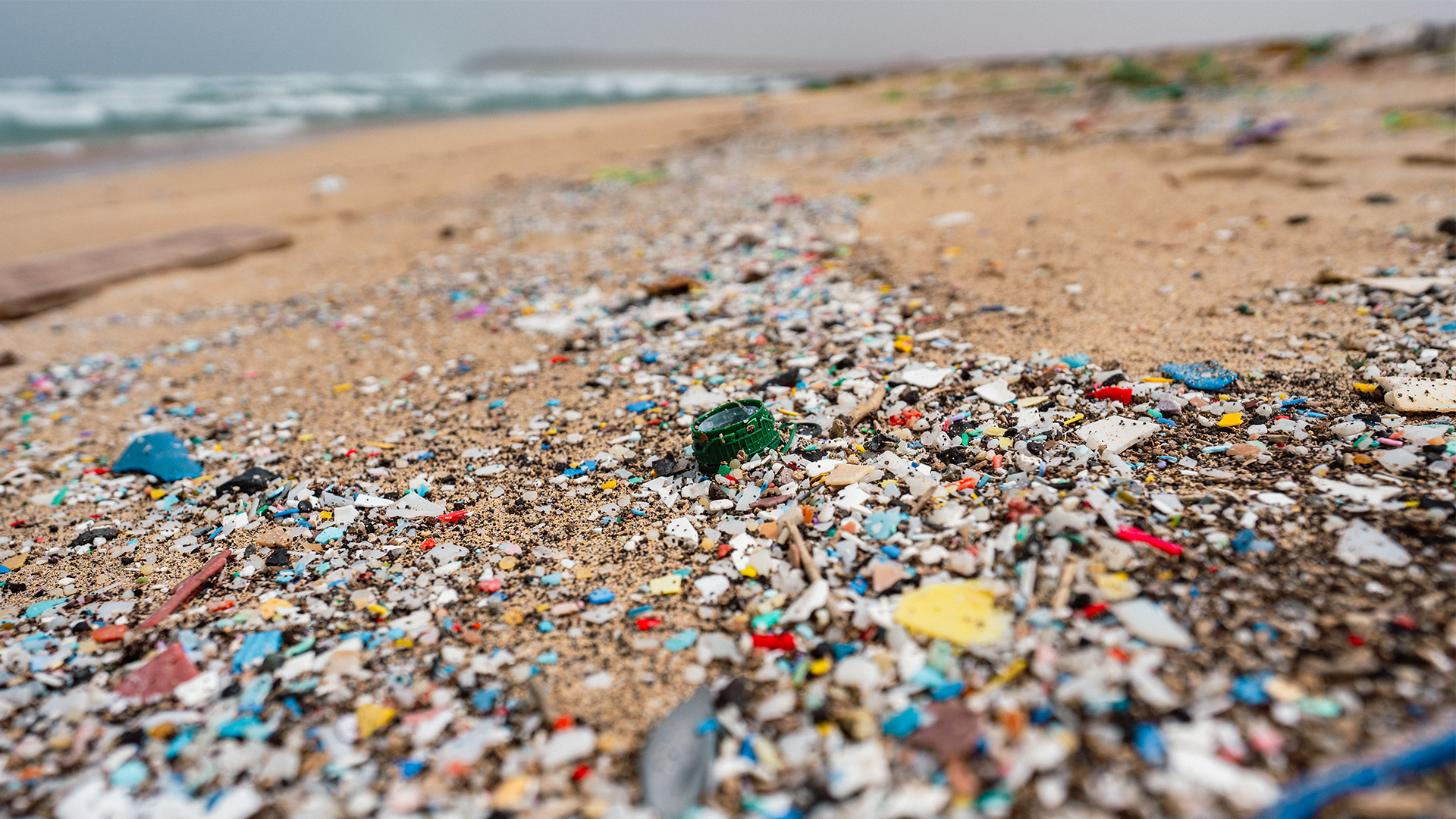
How much plastic is really entering the ocean?
When Plastic Odyssey set out to sail around the world, the first question was practical: where should they go? The answer depended on first finding where plastic pollution was most critical and leakage the highest. But knowing where and how plastic enters the ocean is not a simple question, and the answer keeps changing. A decade of science has brought us closer to an answer, and this article explores what we know and what we are still figuring out.
The First Estimate of Plastic Pollution
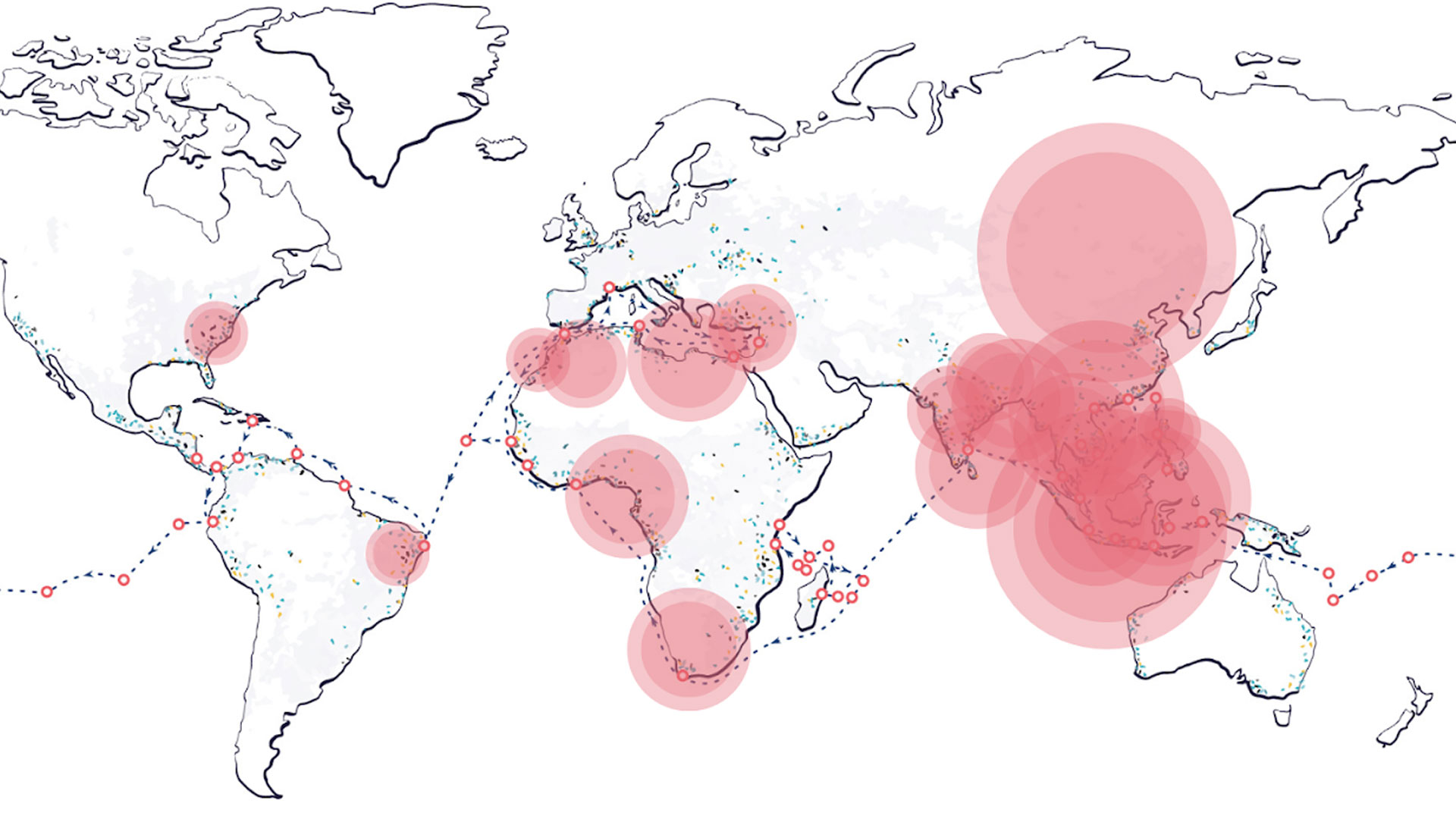
In 2015, marine scientist Jenna Jambeck and her colleagues published a study in Science that changed how the world understood pollution. This paper, simply titled ‘Plastic waste inputs from land into the ocean’1 was the first global model of plastic leakage into the ocean. The model used population data, waste generation estimates, and the proportion of waste that goes unmanaged in each country to calculate how much plastic was likely entering the ocean. The estimate was staggering: between 4 and 12 million tonnes every year, and that was in 2010.
The study immediately generated attention from media, policymakers and concerned citizens who were shocked by the high figures, often presented as “one garbage truck of plastic entering the ocean every minute”. For scientists, the study inspired further research into marine plastic and pollution, and it’s been cited over 17,000 times. The paper also catalyzed action, highlighting leakage hotspots (areas with high amounts of waste entering the ocean) which led to resources and attention. For Plastic Odyssey, it was a map. They wanted to go where the challenges were greatest, on the belief that those same communities would also be developing the most creative solutions.
The Data Puzzle & Plastic Mystery
Knowledge is built in layers. Scientific research is not about finding facts, but testing and questioning them2. The seminal 2015 Jambeck paper was built on large datasets and models, and so field researchers rolled up their sleeves and got to work testing the outputs and assumptions. The search was on for empirical evidence: data from on the ground (and in the ocean) that shows where the predictions were right, and where they were wrong.
Some of the original country-level estimates turned out to be too high. Researchers measured actual plastic flows in rivers and along coastlines and found that the real numbers didn’t always match the modeled ones3. Institutions working on capacity development and new monitoring tools found they needed to correct some of the over-estimations through direct measurement. Models were fine-tuned to account for on-the-ground waste realities, such as informal dump sites and burning of waste4.
Then there was the ocean itself. If tens of millions of tonnes of plastic had been entering the sea every decade, where was it all? When scientists went looking for plastic in the oceans, they didn’t find as much as they expected5. Even in the gyres, the vast circulating currents that trap floating debris, they saw hardly anything. Instead, the ocean resembles a plastic soup of tiny fragments – far harder to see and track – raising fundamental questions about where all the plastic ends up.
The gap between how much plastic should be in the ocean (based on models) and how much is actually in the ocean (based on measurements) is one of the defining puzzles of the field6. We now know that some plastic sinks deep to the ocean floor7. Much of it fragments into tiny particles (microplastics) that are difficult to measure8, and can even be incorporated into marine organisms9. For all the floating plastics and beaches covered in waste, there is so much more hidden in the ocean, and we still don’t know where it all is.
Meanwhile, plastic appears in unexpected places. It has been found in Arctic sea ice10 and in deep-sea sediments11. Microplastics are found in freshwater springs far from any coast12. The scientific community began to recognize that plastic is moving through the entire earth system, and even our own bodies13. As research developed, models have become more complicated – not less – and studies often lead to more questions than answers.
New Tools, New Eyes
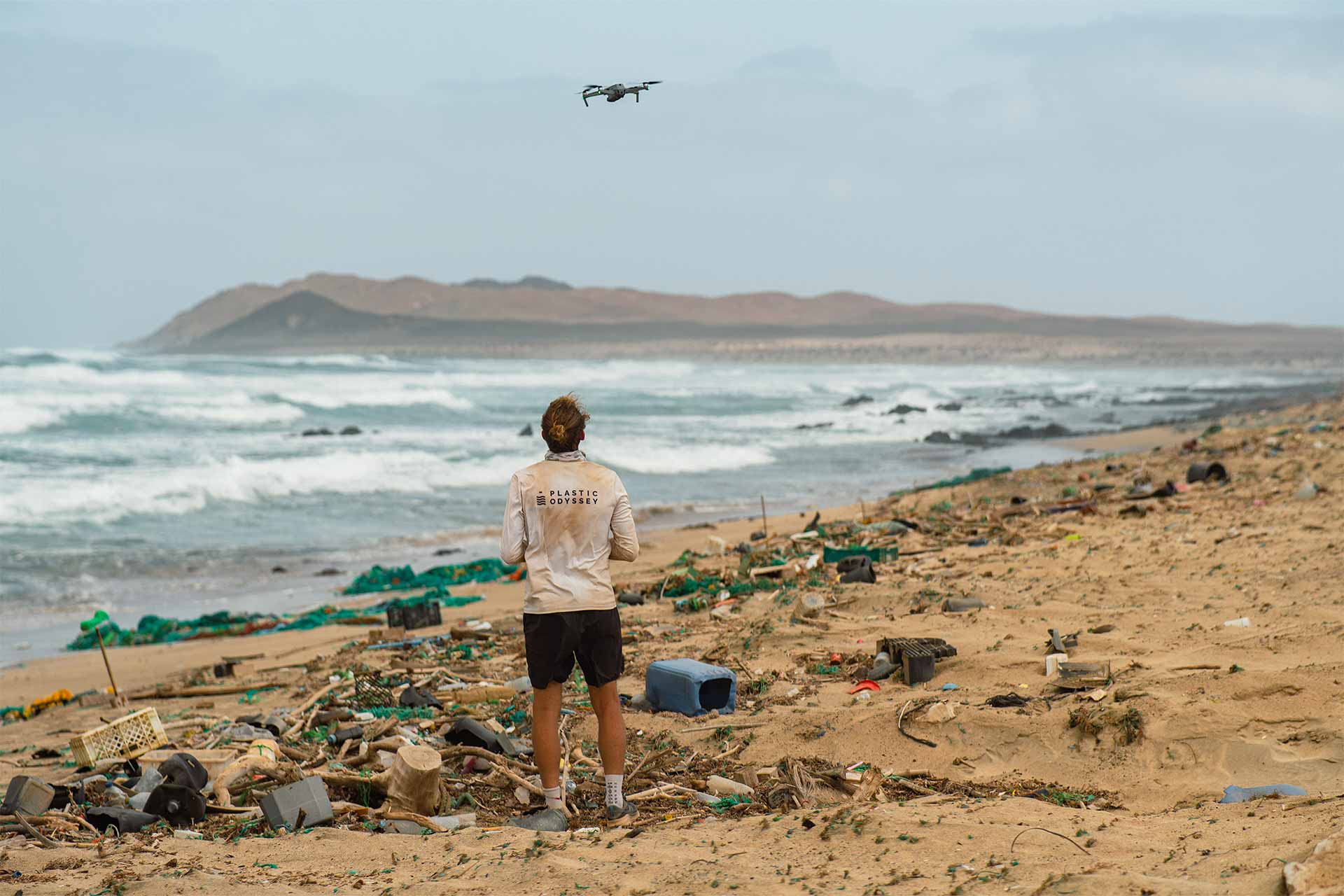
Filling data gaps has driven curiosity and innovation, and not just from science. Satellite and aerial monitoring14 are now being used to detect plastic concentrations from above, in the burgeoning geospatial intelligence field, machine learning and AI helping to identify debris in imagery that would take human analysts years to process. Passive monitoring systems installed on commercial vessels collect data as ships travel their regular routes, turning global shipping lanes into observation networks at relatively low cost15.
Citizen science has emerged as one of the most powerful tools of all. Beach cleanup programs systematically log what is collected, turning volunteers into an army of data collectors16. This information – on plastic type, size, and location – produces datasets that no single research team could generate alone. Anyone with a smartphone can contribute, expanding awareness while gathering valuable data.
Plastic Odyssey has seen firsthand the disconnect between models and reality: finding pristine coastlines in supposedly polluted countries; sailing through an ocean gyre, and seeing hardly any plastic; cleaning a beach with two times as much plastic as models predicted. The Plastic Odyssey team quickly realized the experiences and knowledge of local communities, entrepreneurs and volunteers is more precise than any scientific model, and is necessary to develop context-specific solutions.
What We Know and What We Don’t
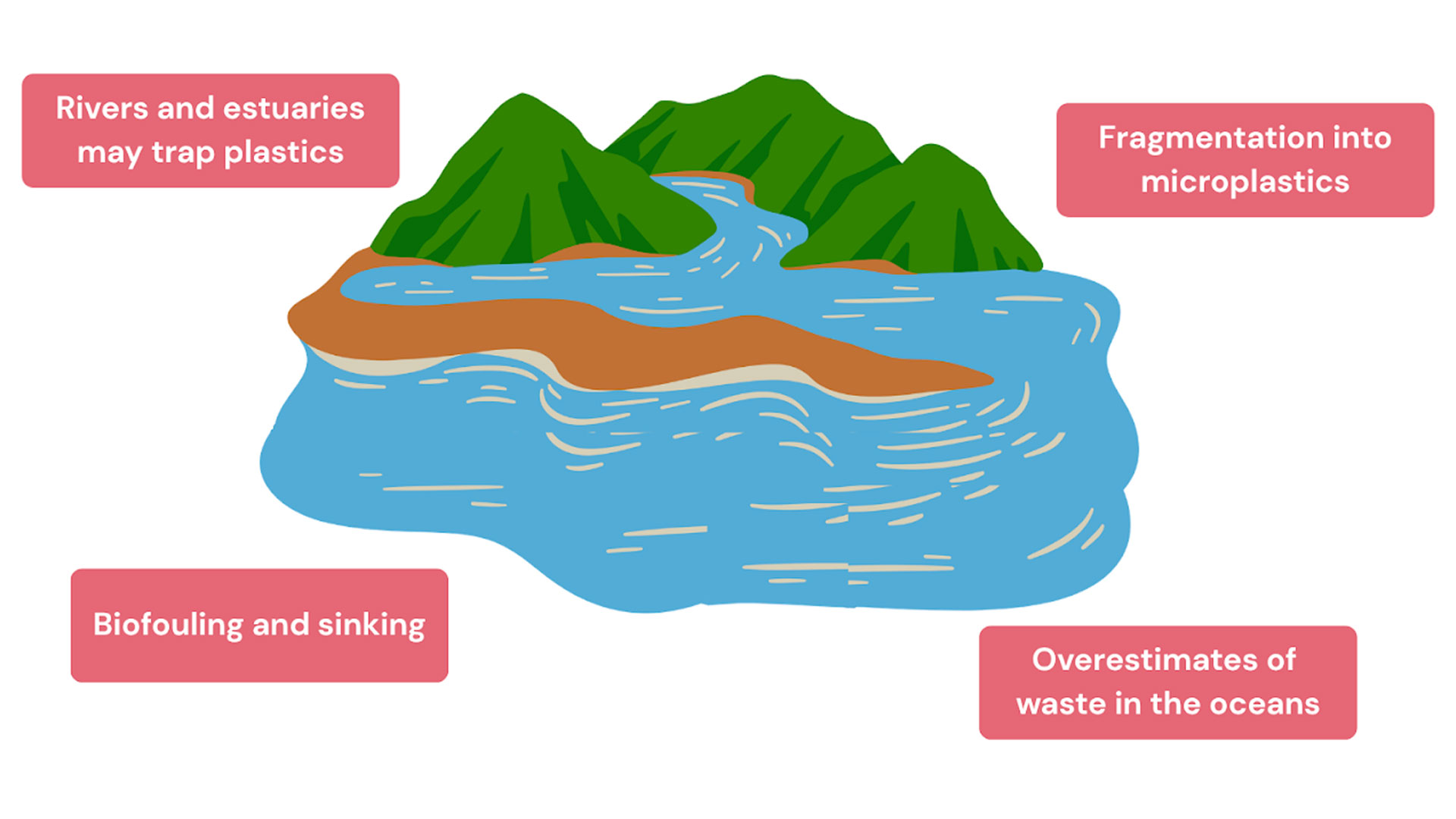
Ten years on from the Jambeck paper, the field has made real progress. We know that plastic is present in every ocean basin, floating on the surface and sinking into the deepest trenches. We have a better understanding of how rivers carry plastic to the sea, but also how mangroves, rivers and estuaries trap plastic, reducing leakage into the ocean17. We also have more precise models that can predict how ocean currents distribute waste once it enters the marine environment. We understand the processes (fragmentation, biofouling, ingestion by marine life) that remove plastic from the surface and redistribute it through the water column and into sediments.
We also know the original estimates were imprecise, but that the true scale of the problem may be even larger than first thought. Researchers are training their microscopes to study microplastics, a tiny but dangerous pollutant. Compared to the 2015 study, there are many more microplastics entering the ocean – from tire dust, synthetic fibers from laundry and paint chipping off boats – than previously expected18.
The biggest gaps remain in the places that are hardest to reach. Remote stretches of ocean, deep-sea environments, polar regions, and isolated islands are understudied but not unpolluted. They are often critical habitats, home to unique species and vulnerable ecosystems19, yet they remain “data deserts”, lacking reliable baseline data and sometimes omitted entirely from global models.
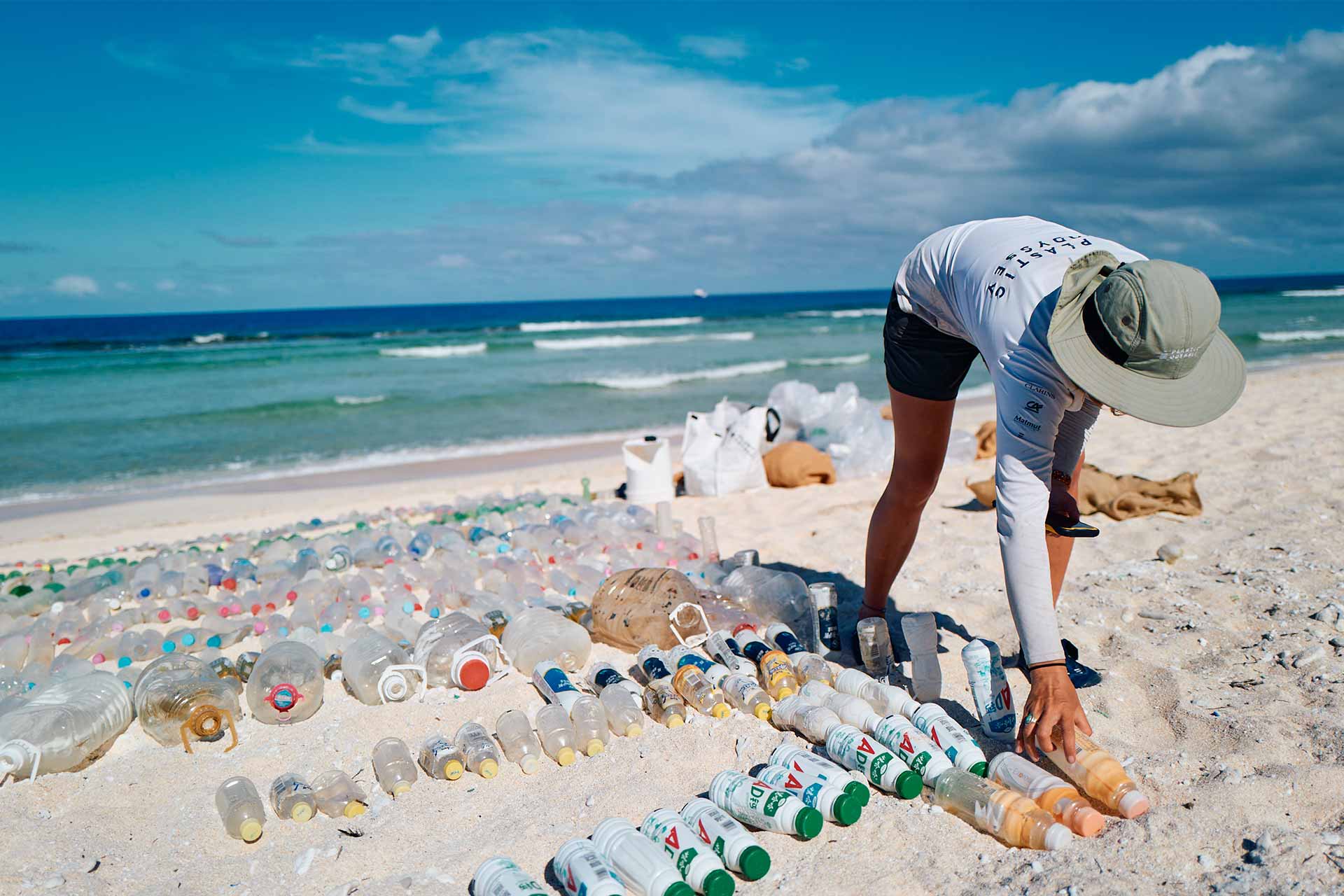
This is why Plastic Odyssey also collects data in the most remote corners of the world. At Henderson Island, we documented one of the highest densities of plastic debris on any beach on Earth, though it is thousands of kilometers from the nearest city. In Saint Brandon, the data that was available was outdated and therefore inaccurate, and the island had over ten tonnes of plastic when only two were predicted. The gap between what models predict and what’s actually there is not just a scientific problem. It is a practical one, with real consequences for cleanup and management programs.
The question of how much plastic is entering the ocean is not yet fully answered. But we are asking it better than ever before, with more powerful tools and with a growing number of people participating. Plastic Odyssey plans to do its part, using its vessel to visit remote, protected islands in partnership with UNESCO. The team is working not only to clean up these ecologically valuable sites, but fill critical data gaps. Because before we can fix the problem, we need to truly understand its scale.
1 Jambeck, J. R., Geyer, R., Wilcox, C., Siegler, T. R., Perryman, M., Andrady, A., … & Law, K. L. (2015). Plastic waste inputs from land into the ocean. Science, 347(6223), 768-771. https://doi.org/10.1126/science.1260352
2 Edelson, M., Håbesland, D., & Traldi, R. (2021). Uncertainties in global estimates of plastic waste highlight the need for monitoring frameworks. Marine Pollution Bulletin, 171, 112720. https://doi.org/10.1016/j.marpolbul.2021.112720
3 Tracking the Path of Ocean Plastic Pollution in Southeast Asia. AFD (2024)
Babel, S., Ta, A. T., Loan, N. T. P., Sembiring, E., Setiadi, T., & Sharp, A. (2022). Microplastics pollution in selected rivers from Southeast Asia. APN Science Bulletin. https://www.apn-gcr.org/bulletin/article/microplastics-pollution-in-selected-rivers-from-southeast-asia/#4-conclusion
4 Cottom, J. W., Cook, E., & Velis, C. A. (2024). A local-to-global emissions inventory of macroplastic pollution. Nature, 633(8028), 101-108. https://www.nature.com/articles/s41586-024-07758-6
5 Cózar, A., Echevarría, F., González-Gordillo, J. I., Irigoien, X., Úbeda, B., Hernández-León, S., … & Duarte, C. M. (2014). Plastic debris in the open ocean. Proceedings of the National Academy of Sciences, 111(28), 10239-10244. https://www.pnas.org/doi/pdf/10.1073/pnas.1314705111
Edelson, M., Håbesland, D., & Traldi, R. (2021). Uncertainties in global estimates of plastic waste highlight the need for monitoring frameworks. Marine Pollution Bulletin, 171, 112720. https://doi.org/10.1016/j.marpolbul.2021.112720
Kaandorp, M. L., Lobelle, D., Kehl, C., Dijkstra, H. A., & Van Sebille, E. (2023). Global mass of buoyant marine plastics dominated by large long-lived debris. Nature Geoscience, 16(8), 689-694. https://www.nature.com/articles/s41561-023-01216-0#Sec1
6 Najjar, r., (2026). The mystery of the missing ocean plastic. Penn State https://iee.psu.edu/news/blog/mystery-missing-ocean-plastic
7 Kane, I. A., Clare, M. A., Miramontes, E., Wogelius, R., Rothwell, J. J., Garreau, P., & Pohl, F. (2020). Seafloor microplastic hotspots controlled by deep-sea circulation. Science, 368(6495), 1140-1145. https://www.science.org/doi/10.1126/science.aba5899
8 Zhao, S., Kvale, K. F., Zhu, L., Zettler, E. R., Egger, M., Mincer, T. J., … & Stubbins, A. (2025). The distribution of subsurface microplastics in the ocean. Nature, 641(8061), 51-61. https://www.nature.com/articles/s41586-025-08818-1
9 Plastics in the Ocean. National Oceanography Center. https://noc.ac.uk/under-the-surface/ocean-plastics
10 Peeken, I., Primpke, S., Beyer, B., Gütermann, J., Katlein, C., Krumpen, T., … & Gerdts, G. (2018). Arctic sea ice is an important temporal sink and means of transport for microplastic. Nature communications, 9(1), 1505. https://www.nature.com/articles/s41467-018-03825-5
11 Zhang, D., Liu, X., Huang, W., Li, J., Wang, C., Zhang, D., & Zhang, C. (2020). Microplastic pollution in deep-sea sediments and organisms of the Western Pacific Ocean. Environmental Pollution, 259, 113948. https://www.sciencedirect.com/science/article/abs/pii/S0269749119354880
12 Mutshekwa, T., Mlambo, M. C., Naidoo, T., Kolisi, S., Odume, O. N., Mudzielwana, R., & Motitsoe, S. N. (2026). Plastic Particles in Pristine Waters? Investigating Microplastic Contamination in Natural Springs. Water, Air, & Soil Pollution, 237(8), 486. https://link.springer.com/article/10.1007/s11270-026-09081-4
13 Li, P., & Liu, J. (2024). Micro (nano) plastics in the human body: sources, occurrences, fates, and health risks. Environmental Science & Technology, 58(7), 3065-3078. https://doi.org/10.1021/acs.est.3c08902
14 Biermann, L., Clewley, D., Martinez-Vicente, V., & Topouzelis, K. (2020). Finding plastic patches in coastal waters using optical satellite data. Scientific reports, 10(1), 5364. https://www.nature.com/articles/s41598-020-62298-z
15 Montoto-Martínez, T., Hernández-Brito, J. J., & Gelado-Caballero, M. D. (2020). Pump-underway ship intake: An unexploited opportunity for Marine Strategy Framework Directive (MSFD) microplastic monitoring needs on coastal and oceanic waters. PLoS One, 15(5), e0232744. https://pmc.ncbi.nlm.nih.gov/articles/PMC7209351/
16 Gacutan, J., Johnston, E. L., Tait, H., Smith, W., & Clark, G. F. (2022). Continental patterns in marine debris revealed by a decade of citizen science. Science of The Total Environment, 807, 150742. https://www.sciencedirect.com/science/article/abs/pii/S0048969721058204
17 Van Emmerik, T., Mellink, Y., Hauk, R., Waldschläger, K., & Schreyers, L. (2022). Rivers as plastic reservoirs. Frontiers in Water, 3, 786936. https://doi.org/10.3389/frwa.2021.786936
Martin, C., Baalkhuyur, F., Valluzzi, L., Saderne, V., Cusack, M., Almahasheer, H., … & Duarte, C. M. (2020). Exponential increase of plastic burial in mangrove sediments as a major plastic sink. Science advances, 6(44). https://www.science.org/doi/full/10.1126/sciadv.aaz5593
18 Lindeque, P. K., Cole, M., Coppock, R. L., Lewis, C. N., Miller, R. Z., Watts, A. J., … & Galloway, T. S. (2020). Are we underestimating microplastic abundance in the marine environment? A comparison of microplastic capture with nets of different mesh-size. Environmental Pollution, 265, 114721. https://www.sciencedirect.com/science/article/pii/S0269749120310253?via%3Dihub#sec5
Earth Action (2023). Leakage of microplastics into oceans and land.
19 Gros, C., Jansen, J., Dunstan, P. K., Welsford, D. C., & Hill, N. A. (2022). Vulnerable, but still poorly known, marine ecosystems: how to make distribution models more relevant and impactful for conservation and management of VMEs?. Frontiers in Marine Science, 9, 870145. https://doi.org/10.3389/fmars.2022.870145