 Live
Live Give
Give




 Store
Store
Engineering the Unreachable: Innovation in Remote Island Plastic Cleanups
Plastic Odyssey has conducted three remote island expeditions across the Pacific and Indian Ocean: to Henderson Island, Coco Island and Aldabra Atoll. Each presented radically different challenges: razor-sharp limestone, underestimated waste quantities and ecosystem fragility requiring both high-tech and low-tech solutions. This article explores what each expedition taught us about engineering solutions in places where no playbook exists.
Why Remote Cleanups Matter
As policy makers negotiate the United Nations Global Plastics Treaty, plastic production continues unchecked throughout the world. Momentum for solutions to plastic pollution is building, ranging from material innovations to reusable packaging, but not quickly enough. According to a 2025 analysis by Pew, without intervention, a garbage truck worth of plastic will enter the ocean every second by 2040. With that much plastic entering the ocean, questions remain about where the waste will end up and who will clean it up.
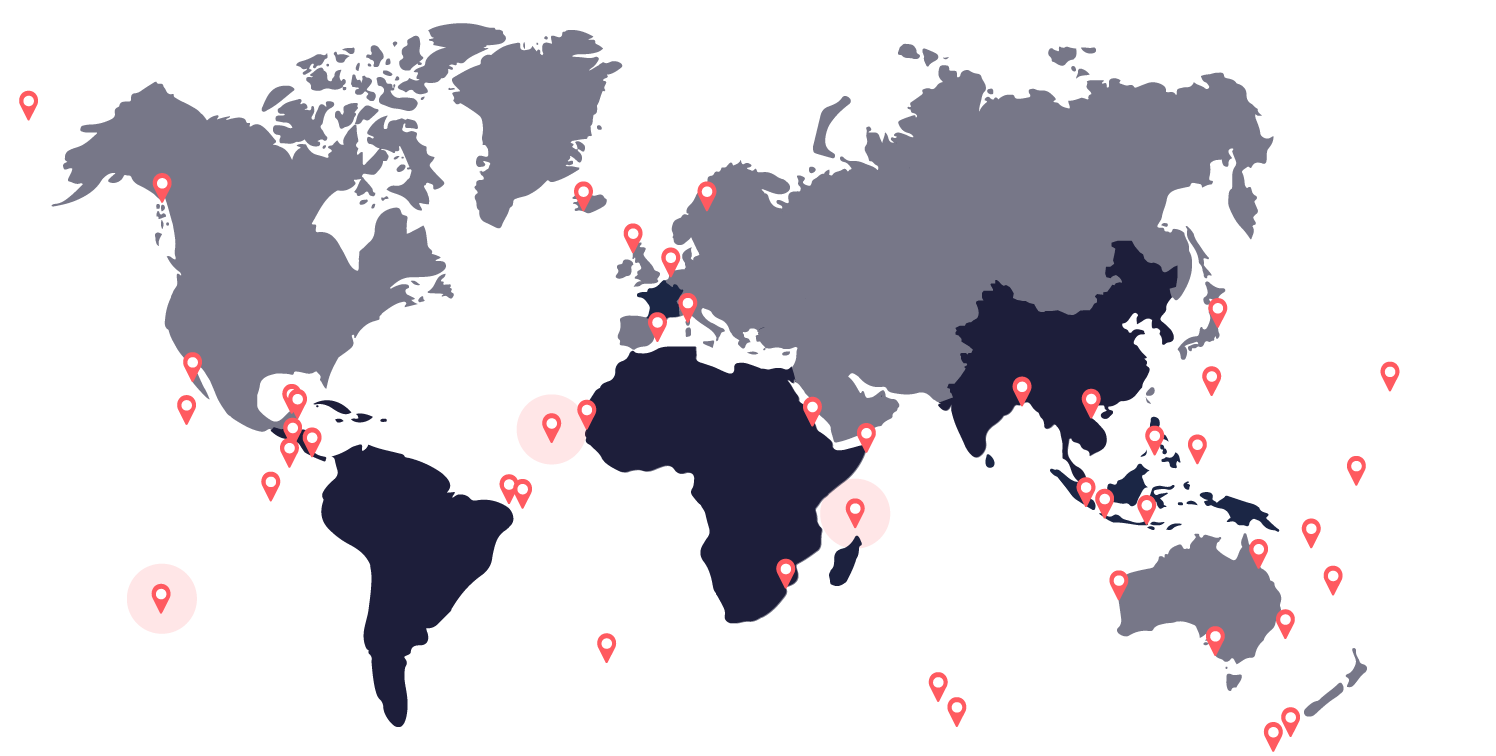
Plastic Odyssey’s The Impossible Cleanup® program targets remote UNESCO World Heritage Sites where isolation, ecological sensitivity and logistical complexity make conventional operations unfeasible. As of writing, the vessel has just landed in Santa Luzia, Cape Verde for the next reconnaissance mission. But before looking ahead, we want to reflect on what these three expeditions have already taught us about remote island cleanups.
Expedition Foundations: What Henderson Taught Us
The Henderson Island cleanup conducted in 2024 was Plastic Odyssey’s first foray into remote cleanups. Henderson Island is documented as having the highest density of microplastics and macroplastics per square meter of any remote beach globally1. It is also logistically challenging to clean up, and the team had to battle long sailing distances, a sharp fringing coral reef, no on-island water source and a huge amount of waste to gather, remove, ship and process.
The expedition was meticulously planned and many innovative methods were developed to meet the unique constraints of the island, including an aerial transport system: a parasail attached to a motorcycle winch, in order to safely “fly” bags of waste over the fringing coral reef to the vessel. After the expedition, we convened with colleagues from conservation organizations in Alaska, leaders in remote island cleanups, to reflect on transferable lessons.
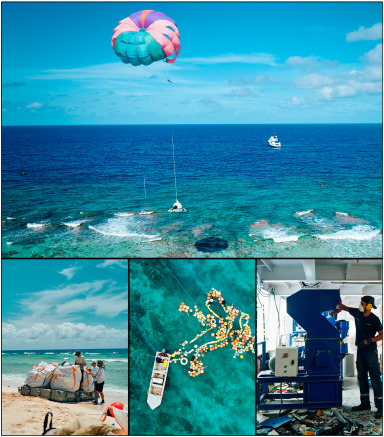
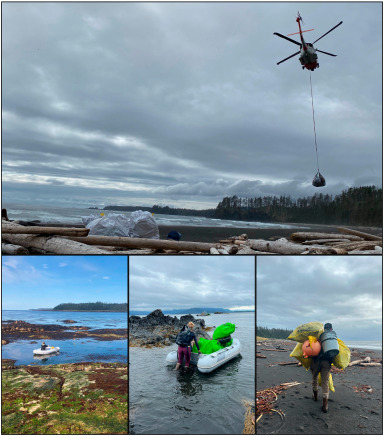
Cleanup strategies deployed on Henderson Island (left, photo credits: Olivier Löser) and on Alaskan Islands (right, photo credits: Kristina Tirman)
This revealed a critical principle: successful remote cleanups require effective transport, collection, removal, recycling pathways, monitoring, and community engagement2. But more importantly, no two islands need the same solution. By tailoring each element to an island’s unique constraints (its logistics, ecology, infrastructure, and community capacity) expeditions become more cost-effective and maximize benefits while minimizing harm.
Saint Brandon: Expect the Unexpected
After the successful removal of nine tons of waste from Henderson Island, the Plastic Odyssey team set their sights on Coco Island, part of the Saint Brandon archipelago in Mauritius. With only limited scientific studies, the team collaborated with experts to estimate that 500kg to two tons of waste was on the island. They planned to deploy the effective strategies used on Henderson and trial new methods, like aerial mapping using drones to design more effective cleanup strategies. However, after only a single day of cleaning, nearly two tons of waste was collected. The team realized there was at least 2.5 times more waste than anticipated, making the cleanup plan unfeasible. Ultimately, 5.3 tons of waste was removed from the tiny island, the limit of what the Plastic Odyssey vessel could safely transport through challenging seas.
This second expedition revealed a crucial insight: accurate waste inventories are necessary for effective mission planning. Though the vessel departed with waste still on shore, the team gained something valuable. They had gathered data on the actual amount of waste on shore as well as high-resolution aerial maps showing where the waste was concentrated. This baseline data would prove invaluable for any future return, and the drone methodology could scale to other sites.
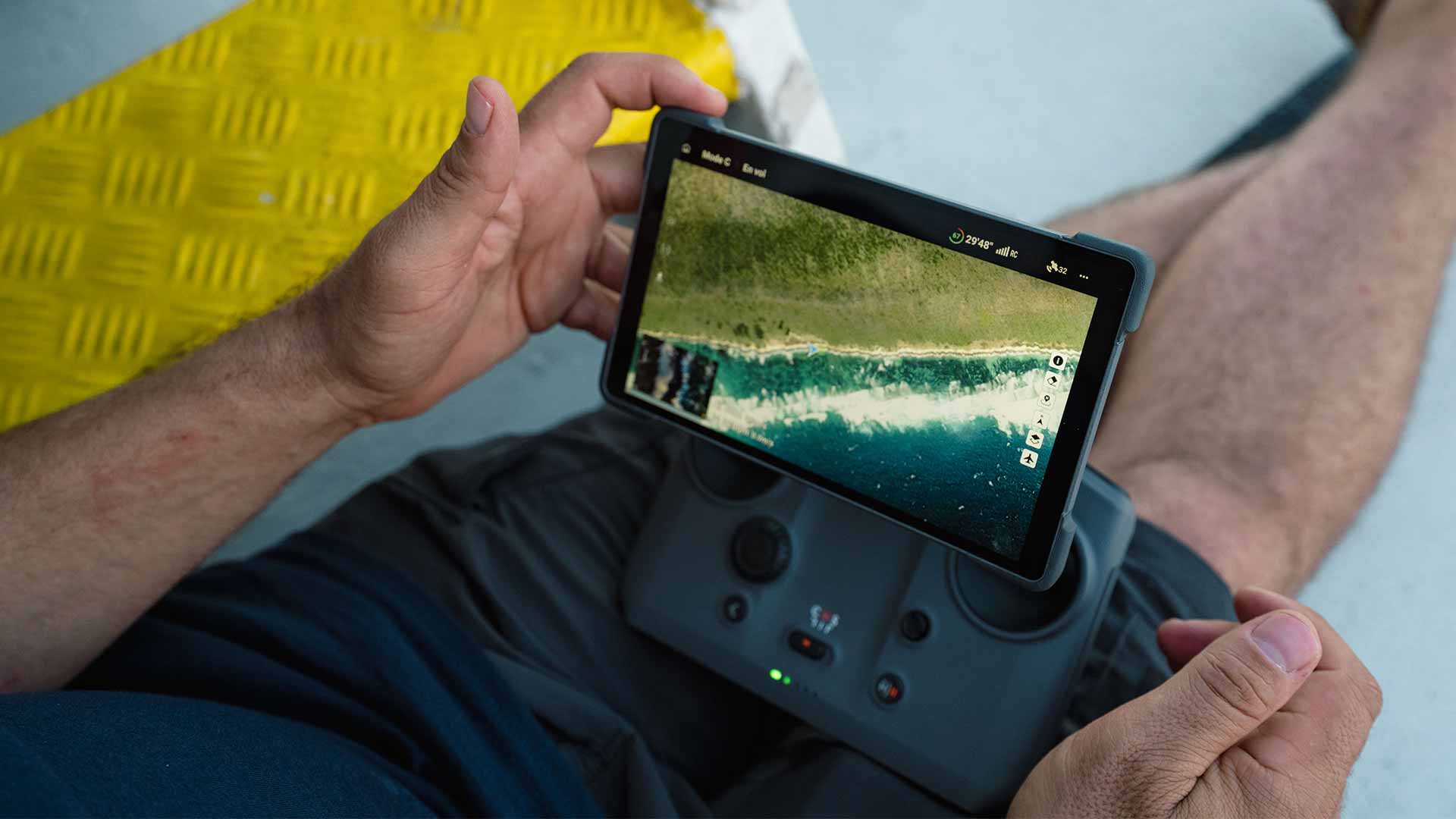
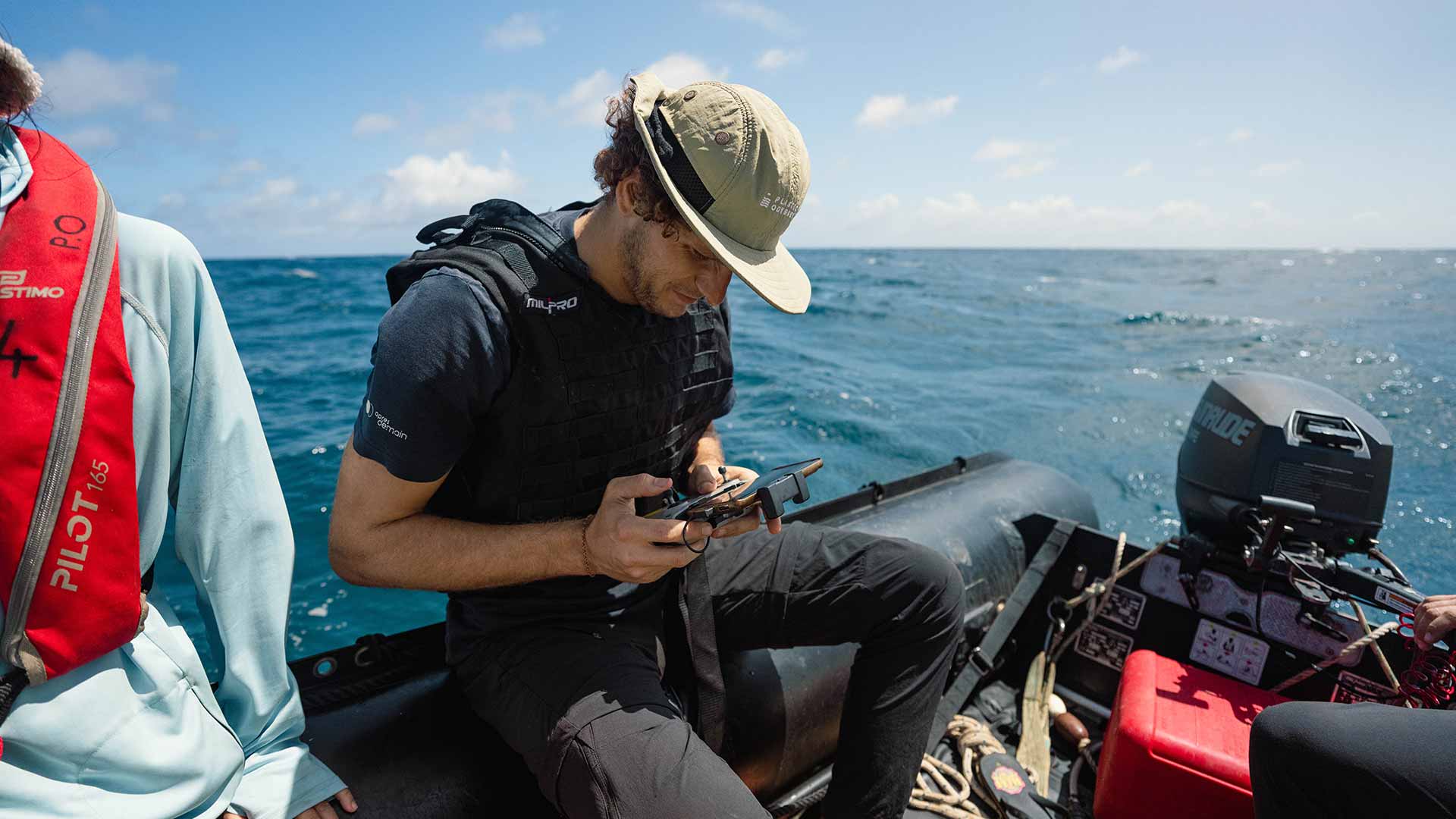
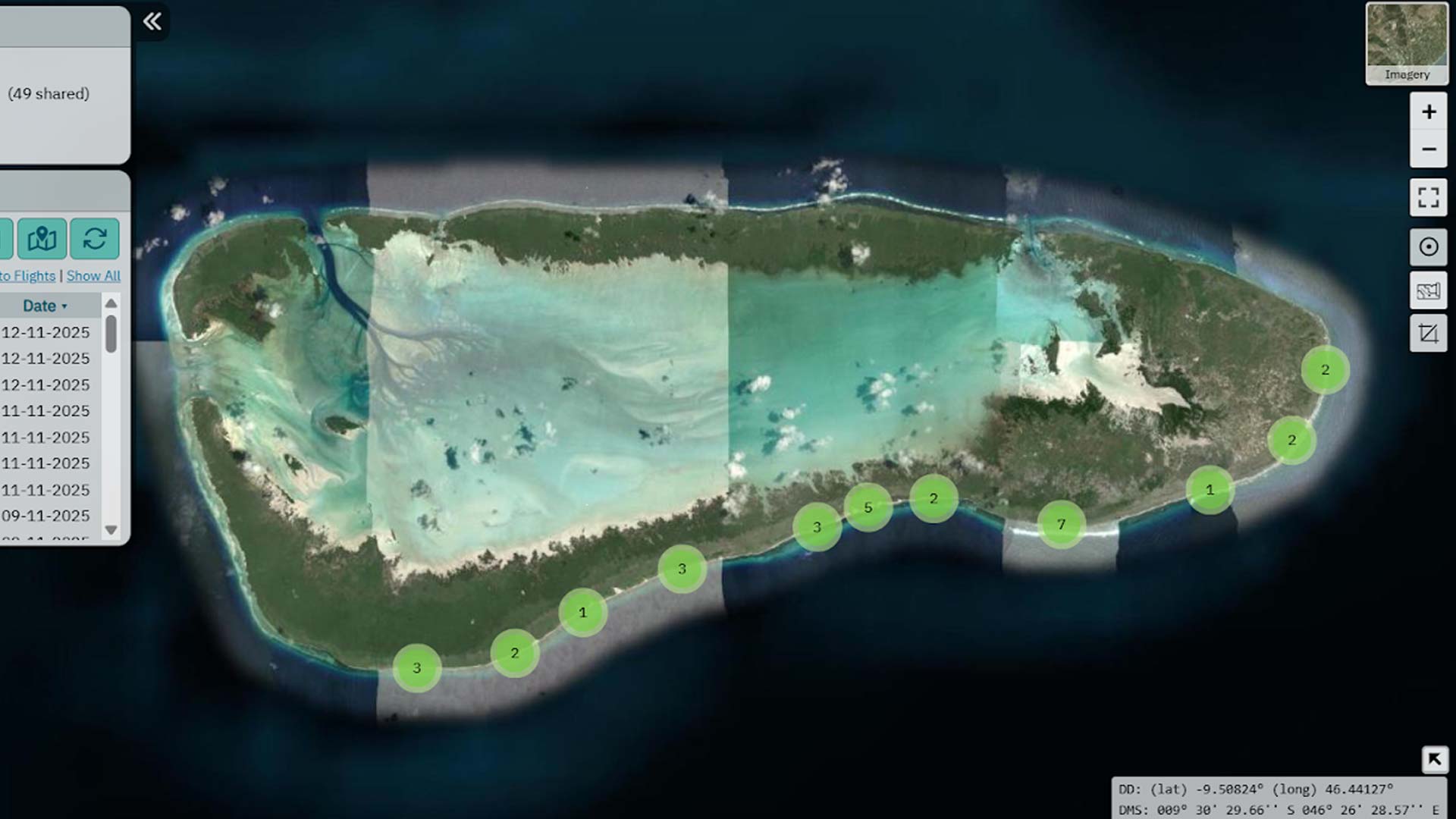
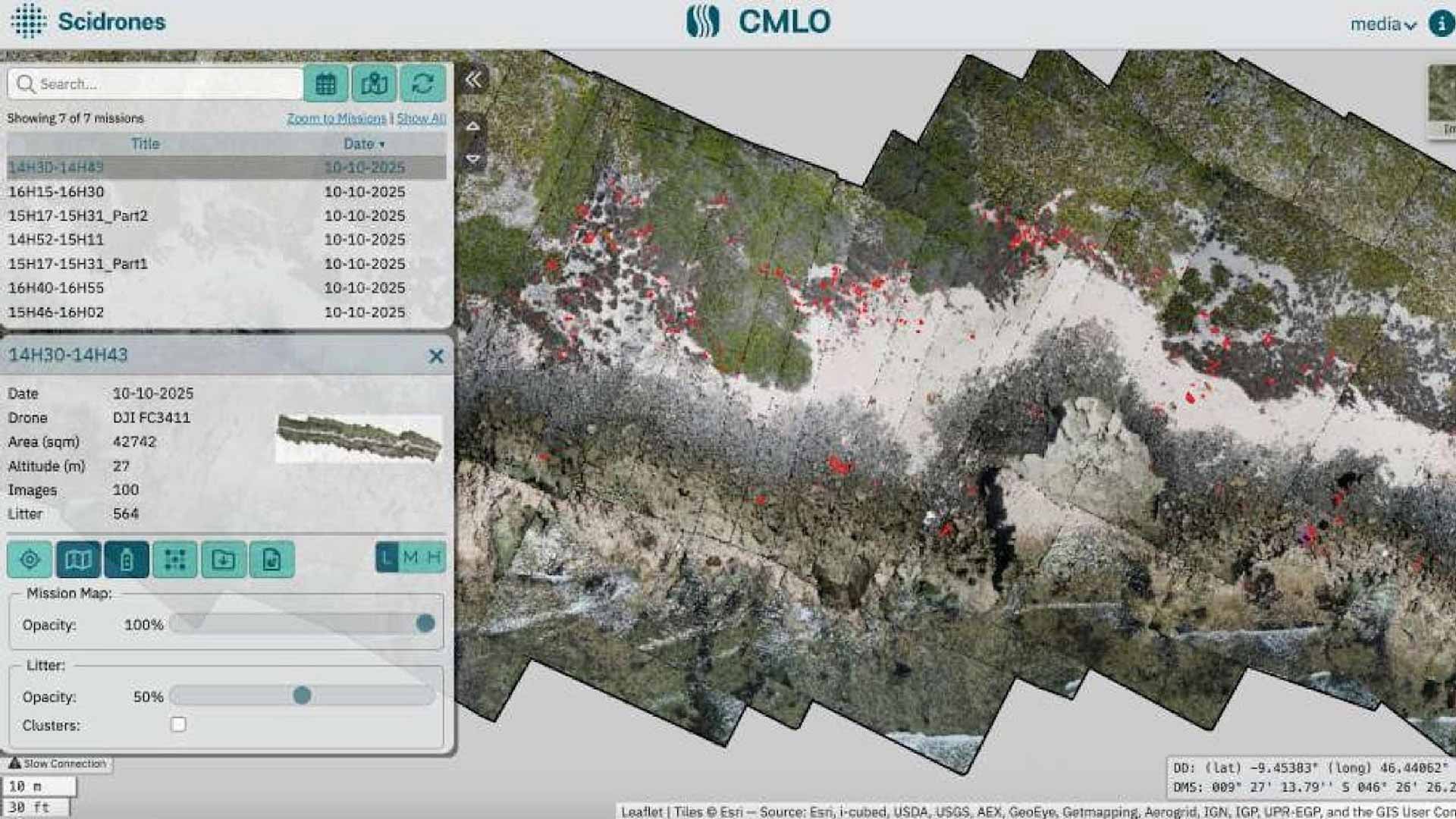
Mapping plastic debris by drone during the Aldabra reconnaissance mission. Photo credits: Marine Reveilhac – Plastic Odyssey
Aldabra Reconnaissance Mission: From Planning to Reality
The biggest challenge of 2025 was Aldabra Atoll, a UNESCO Natural World Heritage Site drowning in over 500 tons of accumulated waste3. Recognizing the risks of underestimated waste from Saint Brandon, Plastic Odyssey shifted strategy. Rather than commit to a full cleanup operation, the team conducted a phased reconnaissance mission to gather precise data before a major intervention. The mission would allow the team to test monitoring, collection, and removal protocols in an extreme environment. Aldabra Atoll presents a unique constellation of hazards, its terrain is dominated by razor-sharp limestone karst, lack of freshwater limits crew operations, and its ecological value is extraordinary. The atoll, which is part of the Seychelles, is home to the iconic Aldabra Giant Tortoise and is a critical nesting habitat for the endangered hawksbill turtle.
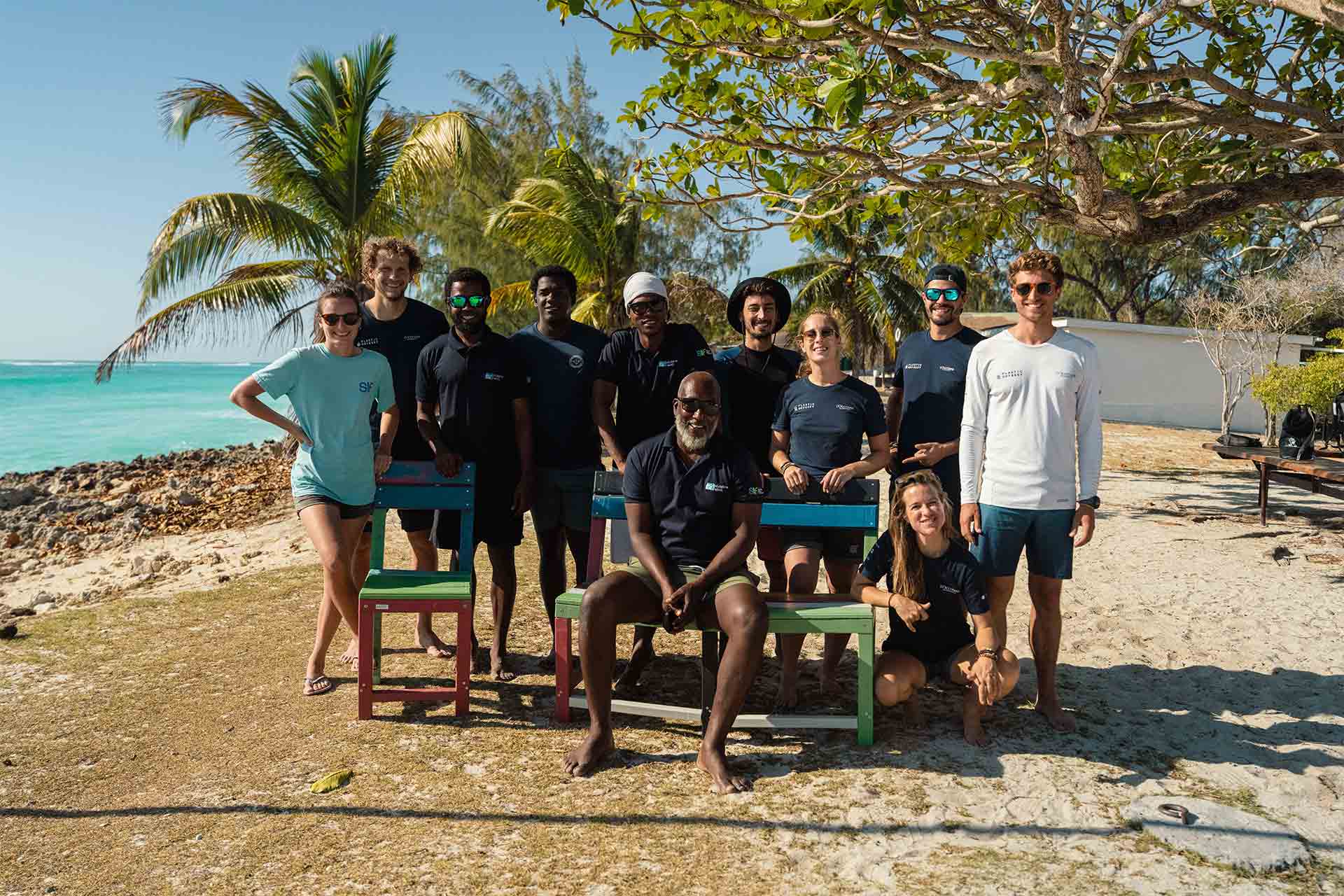
Given the atoll’s fragility and razor-sharp terrain, the team prioritized local partnerships, particularly with the Seychelles Island Foundation, to ensure the mission helped (and didn’t harm) the atoll ecosystem. Together, they co-designed an oversole crafted from recycled tires, protecting both crew and limestone. While drones mapped overhead, the tire shoes reminded everyone that the most critical innovations are often low-tech.
The reconnaissance mission successfully gathered baseline data on waste distribution, terrain accessibility, and ecological sensitivity. These findings are shaping a co-designed cleanup plan , integrating Henderson-proven strategies, Aldabra-specific innovations and local ecological knowledge. Full-scale restoration will proceed only when local partners confirm readiness.
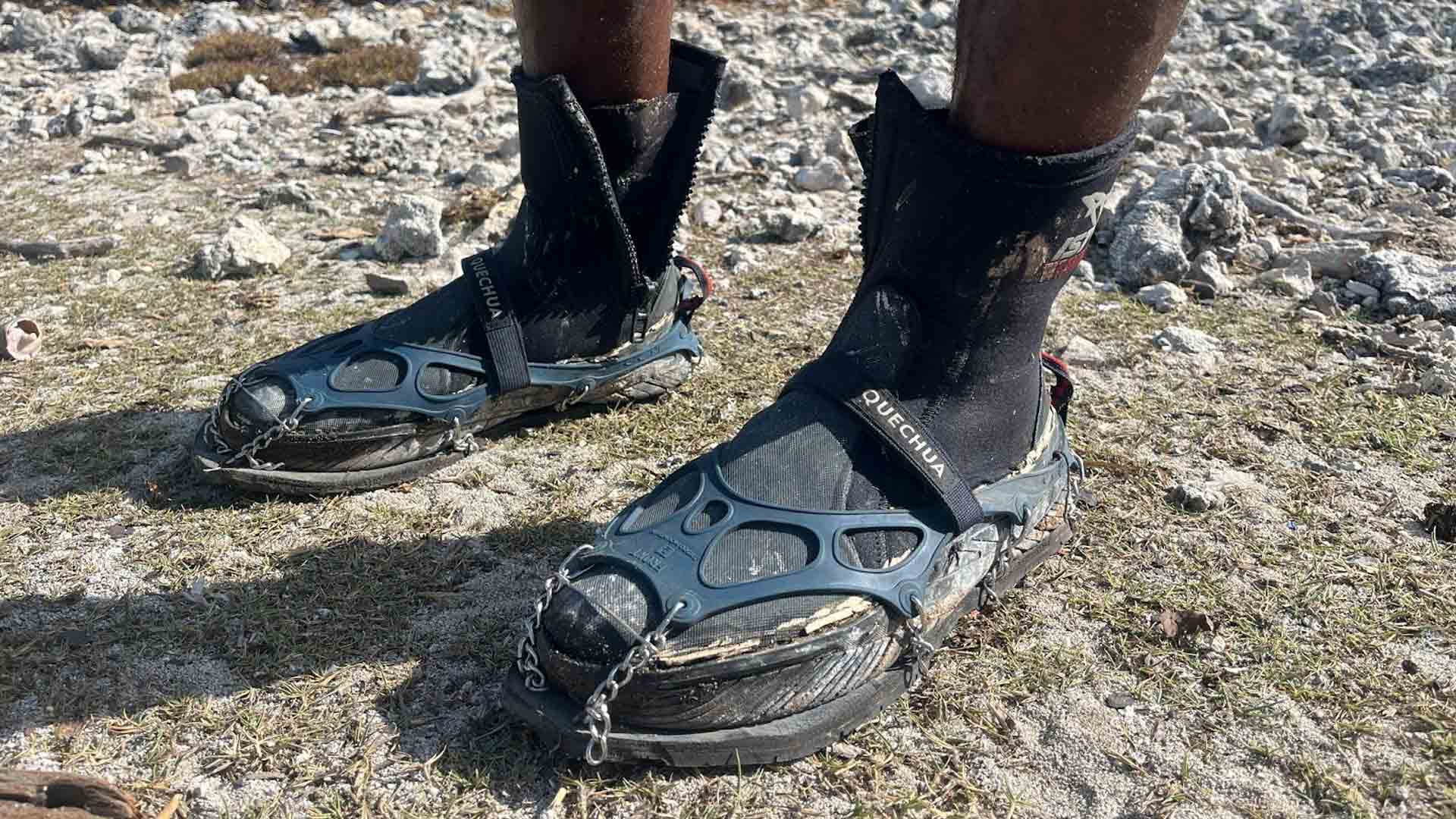
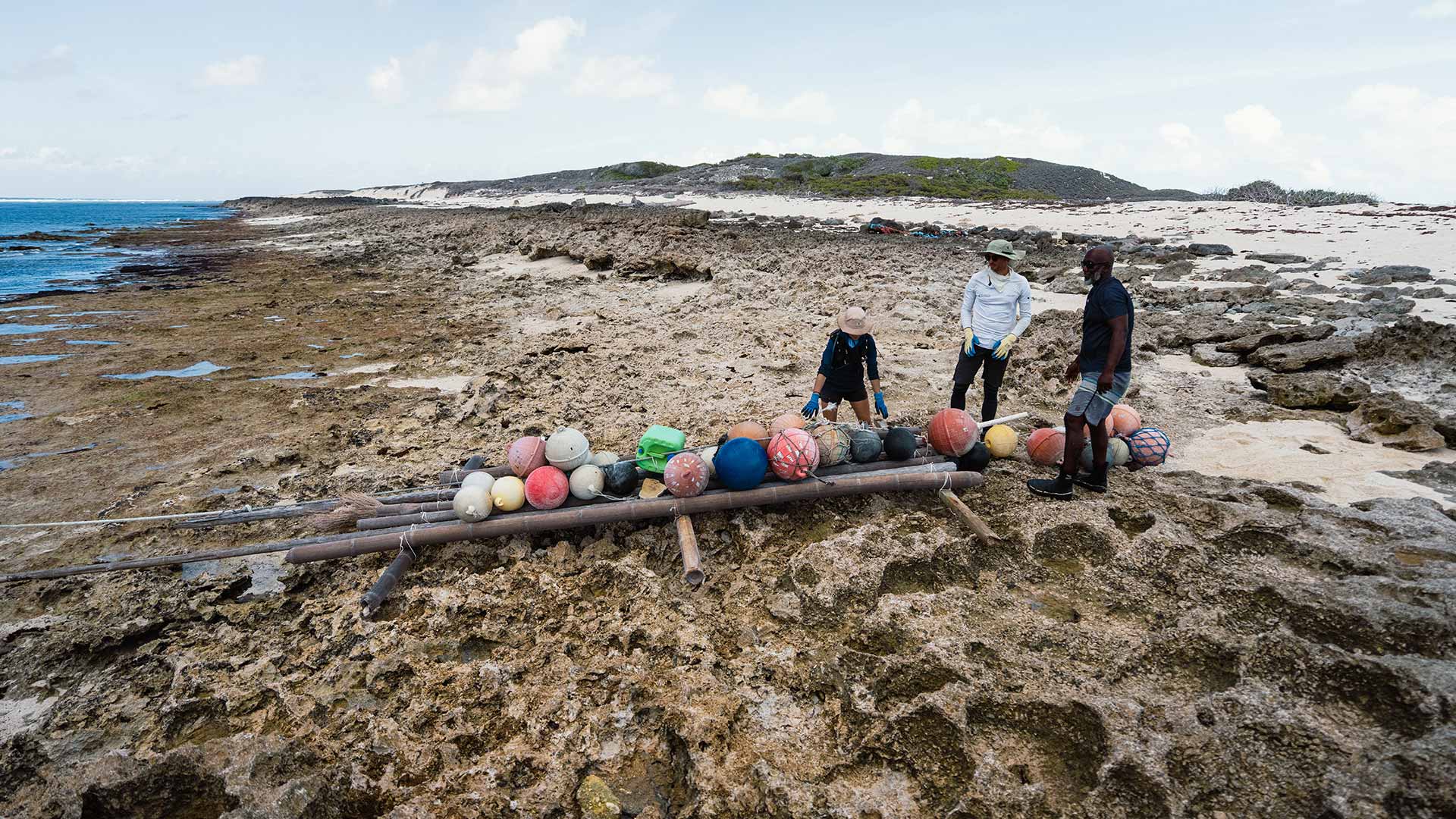
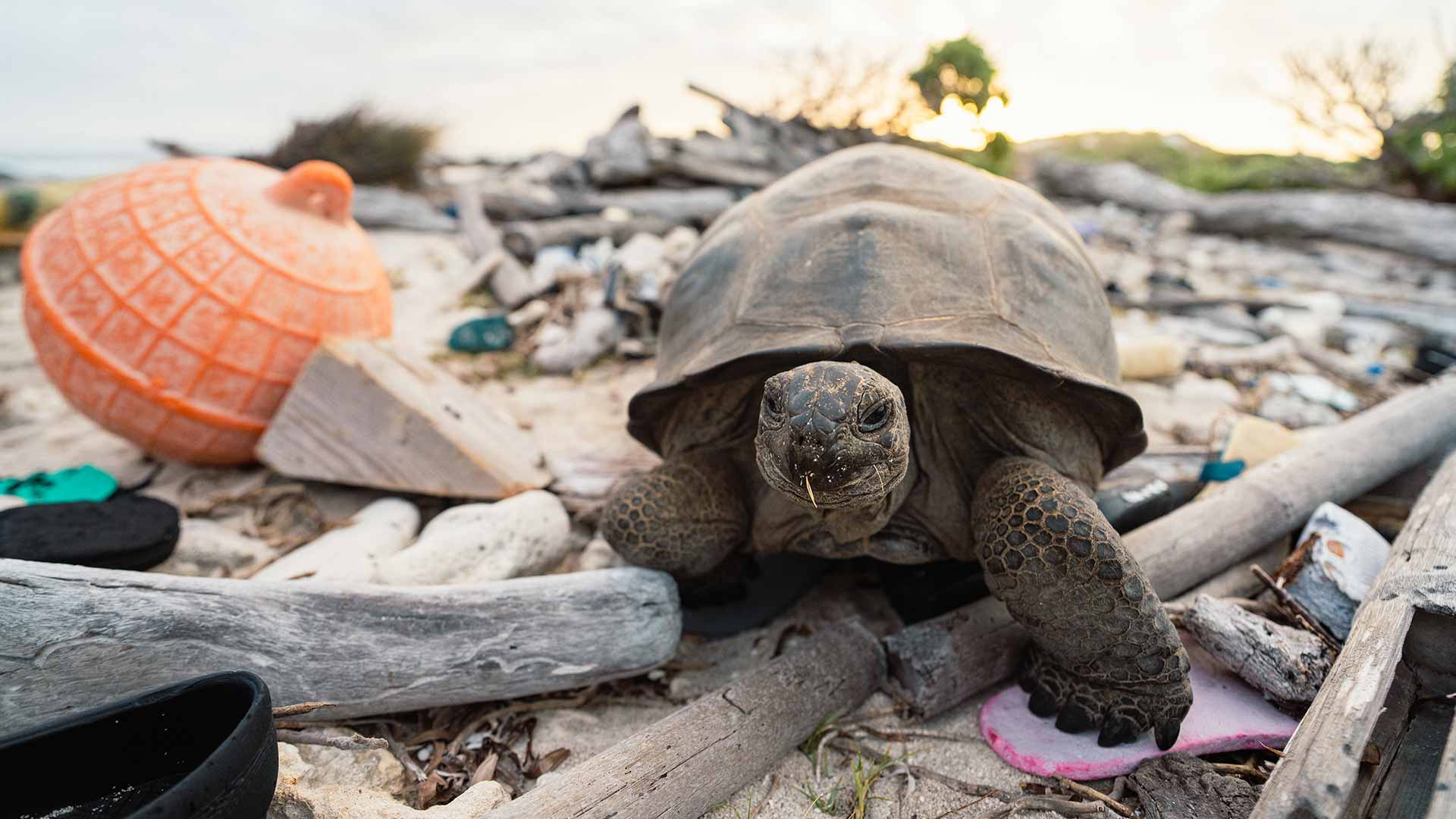
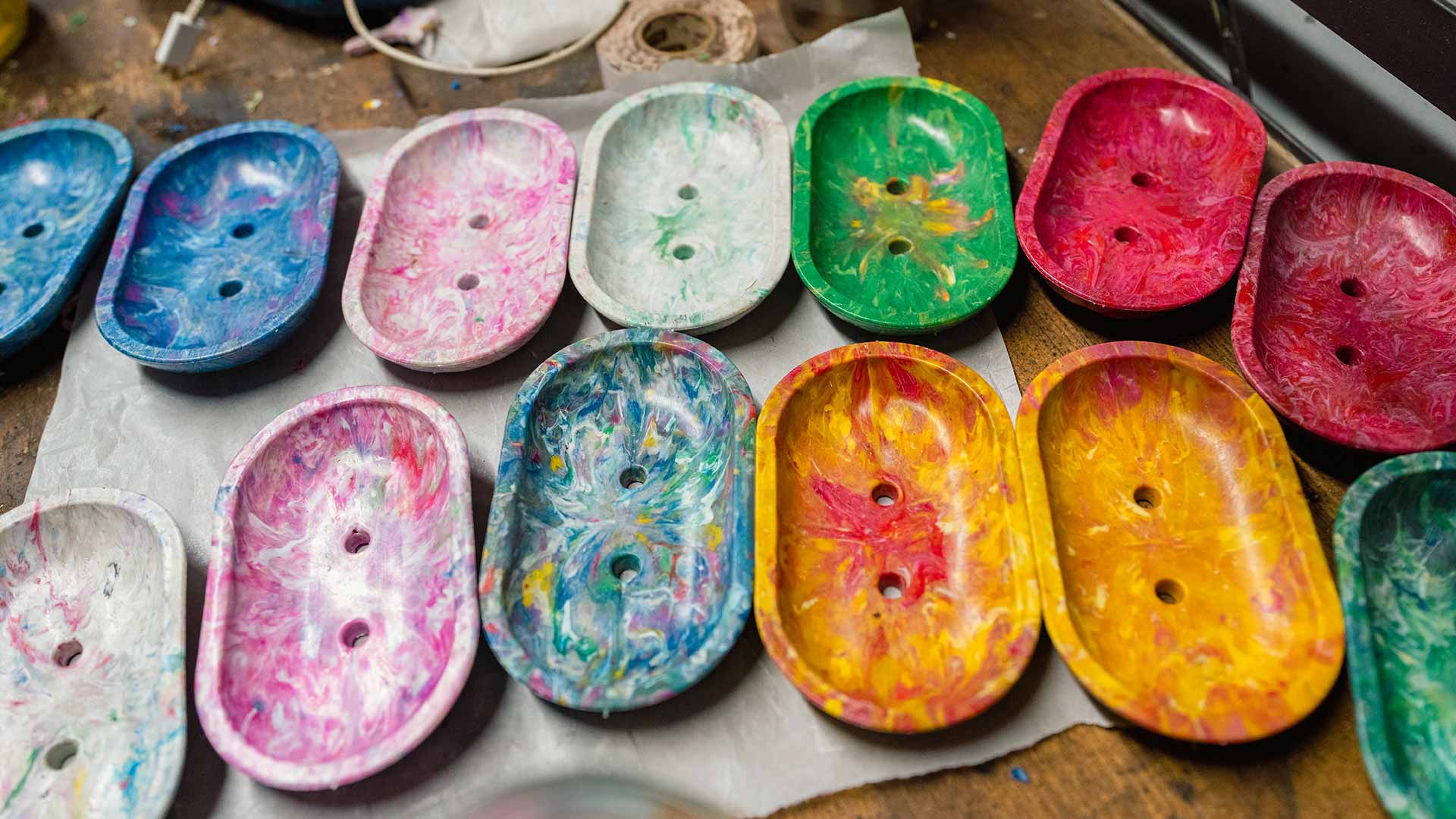
Tire shoes, Bamboo slide, Giant tortoise and Soap holders 100% made from Aldabra waste. Photo credits: Marine Reveilhac – Plastic Odyssey
Cross-Cutting Innovations in Remote Cleanup Design
Three expeditions across two years have crystallized a core principle: remote cleanup success depends on adaptive planning, rigorous data collection, and iterative innovation.
- Planning and logistics – develop contingency plans and engage local partners and government stakeholders from the start. Accurate data on waste is critical, and can be supported through drone mapping and local knowledge sources.
- Collection and removal – combine low-tech innovations with high-tech monitoring tailored to each island’s terrain and ecology. A dedicated team is the most important contributor to success.
- Processing and recycling – utilize local infrastructure and social enterprises rather than exporting waste, develop specific island-plastic products that tell a story.
- Community engagement and education – integrate indigenous and local ecological knowledge, document the cleanup visually and scientifically. Scientific publications, media coverage and education programs should be planned alongside logistics.
Looking Ahead: Gaining Experience, Gathering Questions
Remote island cleanups serve dual purposes: they restore critical ecosystems while generating scientific data that advances our understanding of ocean plastic pathways, accumulation patterns, and intervention efficacy. The waste inventories and monitoring studies contribute essential evidence to inform global plastic pollution mitigation strategies while generating new research avenues.
What’s clear is that no island is the same, but patterns are emerging. Henderson was a testing ground. Saint Brandon revealed the power of accurate data. Aldabra demonstrated the necessity of local partnership. For organizations seeking to conduct remote island cleanups, the takeaway is simple: embed science, foster creativity, and prioritize genuine collaboration.
These expeditions are part of Plastic Odyssey’s Impossible Cleanup® program, designed for sites where extreme isolation, ecological sensitivity, and logistical constraints make conventional cleanup operations unworkable. In these environments, success depends not on scale alone, but on the ability to invent context specific solutions where no established playbook exists.
1 Lavers, J. L., & Bond, A. L. (2017). Exceptional and rapid accumulation of anthropogenic debris on one of the world’s most remote and pristine islands. Proceedings of the National Academy of Sciences, 114(23), 6052–6057. https://doi.org/10.1073/pnas.1619818114
Nichols, E. C., Lavers, J. L., Archer-Rand, S., & Bond, A. L. (2021). Assessing plastic size distribution and quantity on a remote island in the South Pacific. Marine Pollution Bulletin, 167, 112366. https://doi.org/10.1016/j.marpolbul.2021.112366
2 Dijkstra, H., & Tirman, K. (2025). Assessing strategies for remote island beach cleanups: Lessons from the Pacific and Alaska. Marine Pollution Bulletin, 216, 117934. https://doi.org/10.1016/j.marpolbul.2025.117934
3 Burt, A. J., et al. (2020). The costs of removing the unsanctioned import of marine plastic litter to small island states. Scientific Reports, 10, Article 14458. https://doi.org/10.1038/s41598-020-71444-6