 Live
Live Give
Give



 Store
Store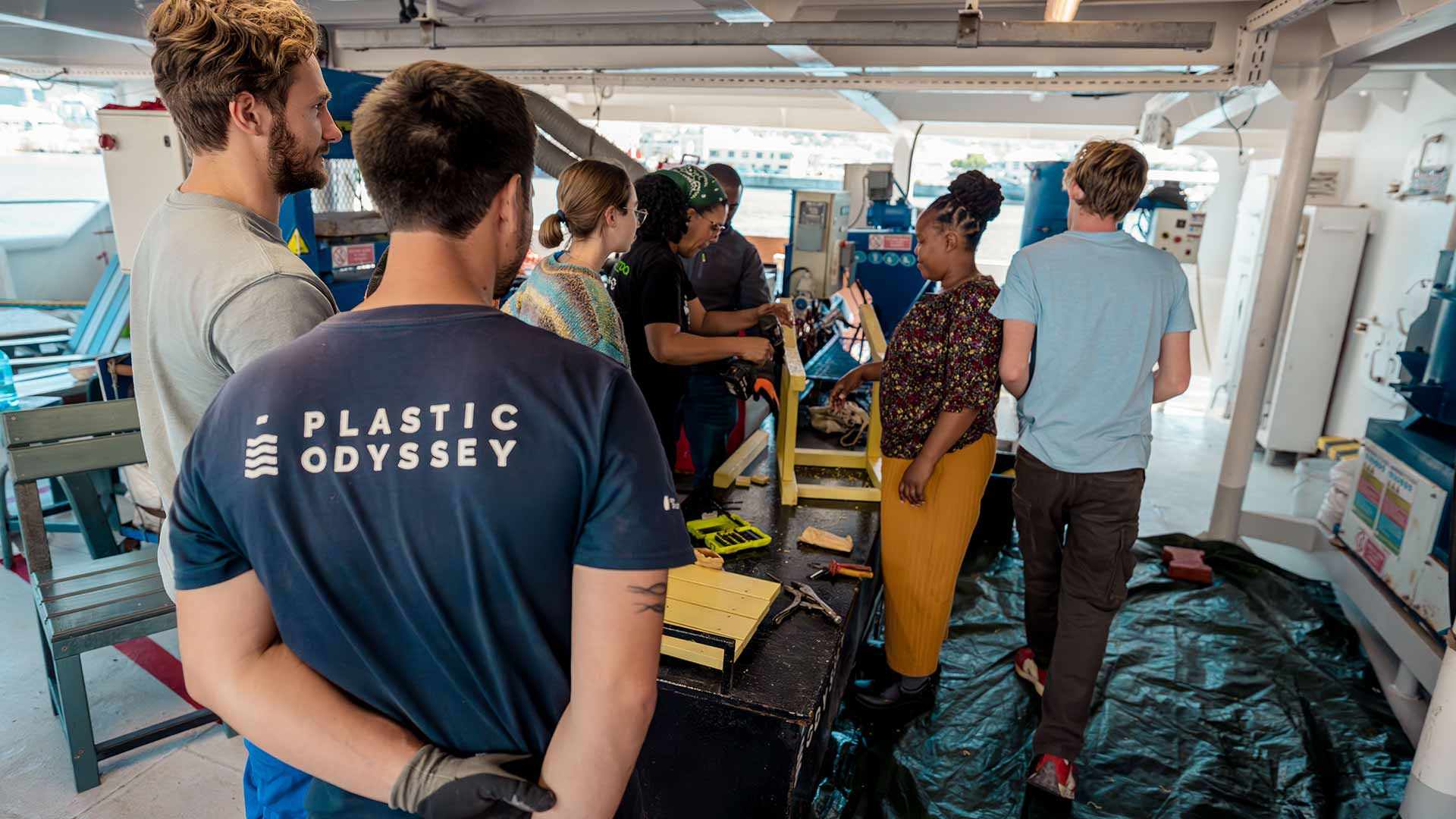
South Africa: a well-established local plastic waste recycling ecosystem
Plastic Odyssey made a stopover in Cape Town from December 13 to 22, 2025, after a rough voyage from Mauritius. While the ship was crossing the Indian Ocean, part of the team flew to South Africa, exploring the city from land and getting a feel for the local recycling ecosystem.
31st edition of the OnBoard Laboratory – Cape Town, December 2025
One observation quickly became apparent: South Africa marks the return of a model already widely observed in South America, but less prominent during recent visits. In public spaces, benches, picnic tables, and street furniture are largely made from recycled plastic boards. A sign of well-structured local supply chains capable of locally transforming plastic waste into sustainable materials.
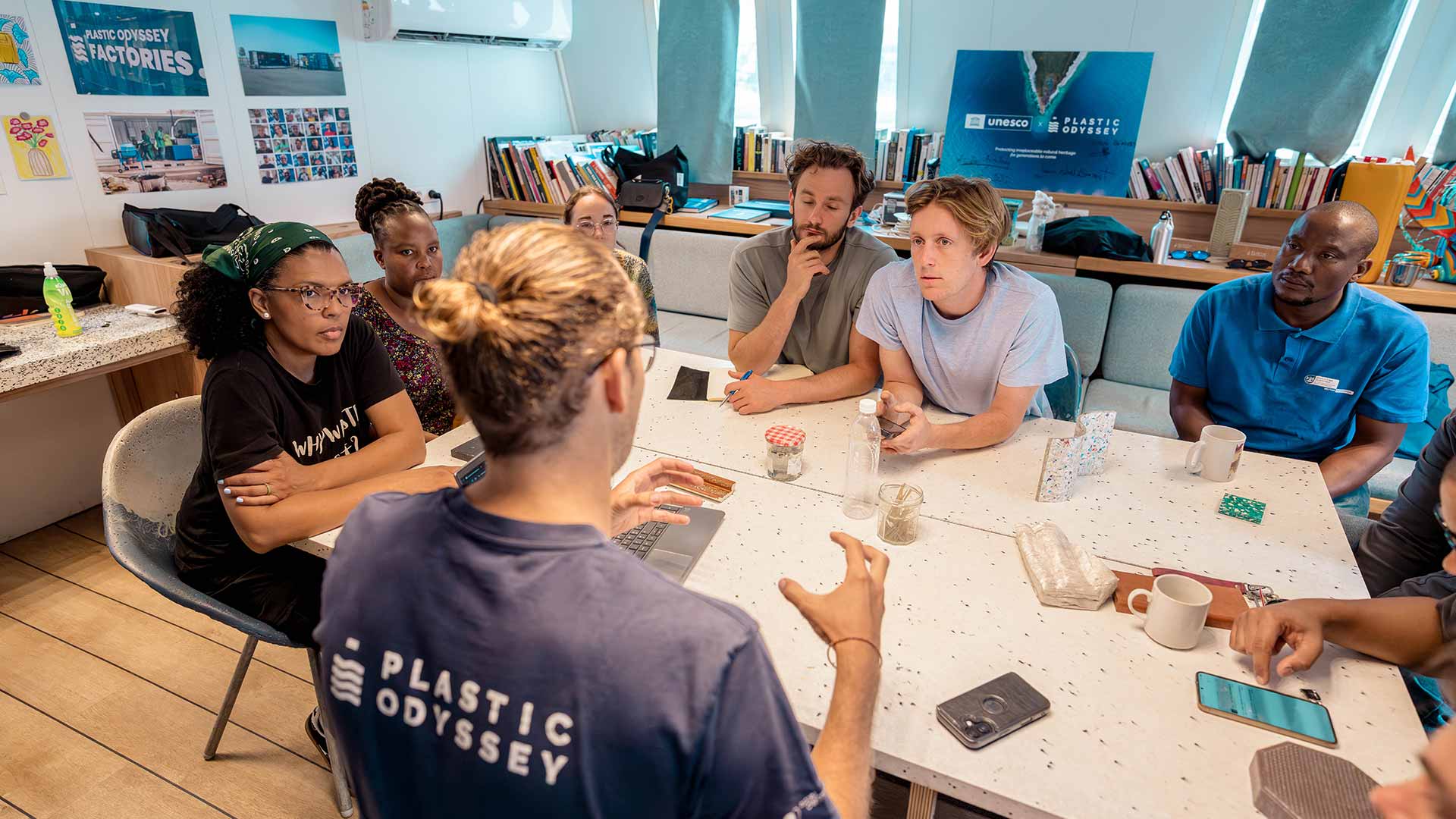
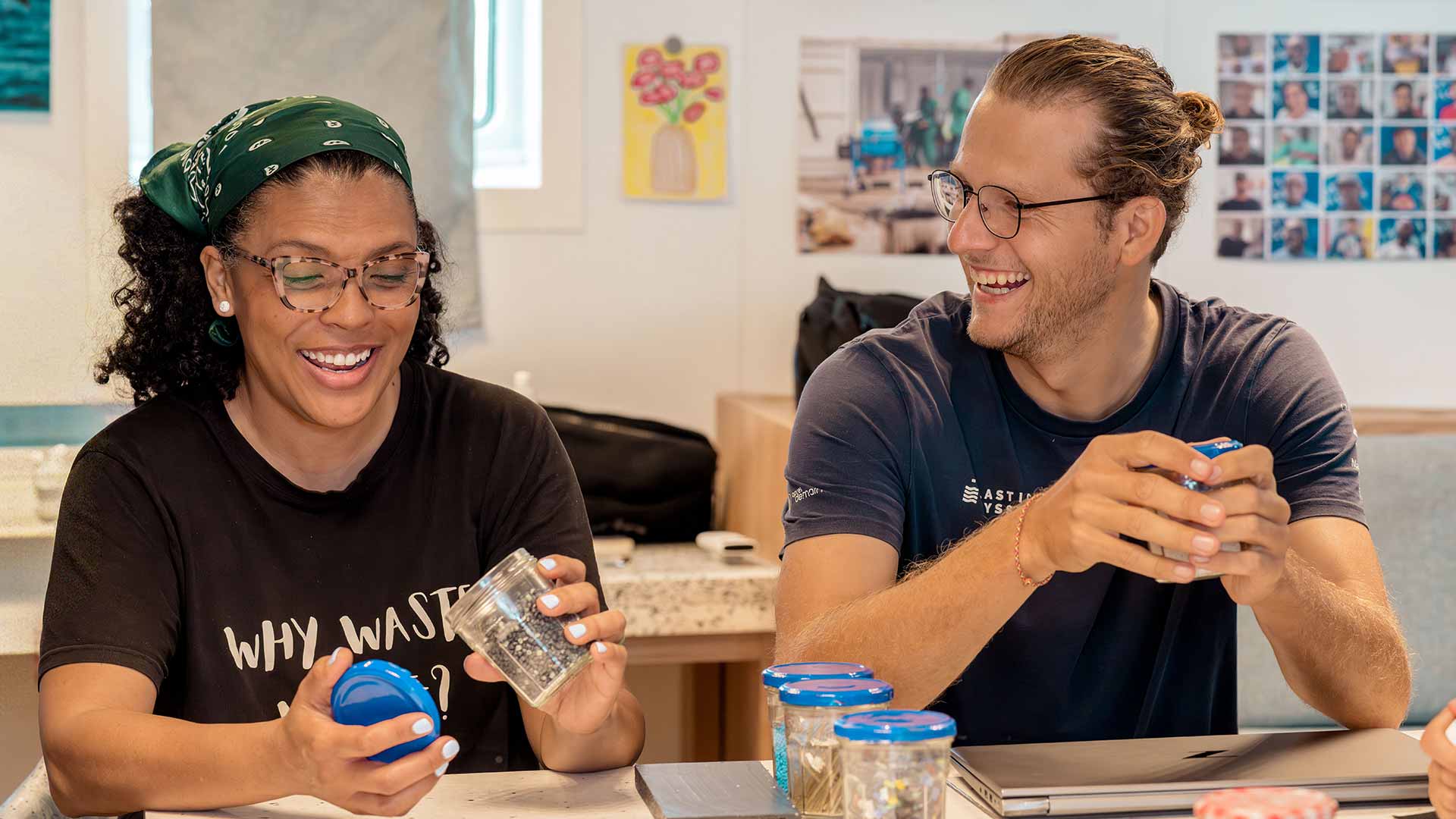
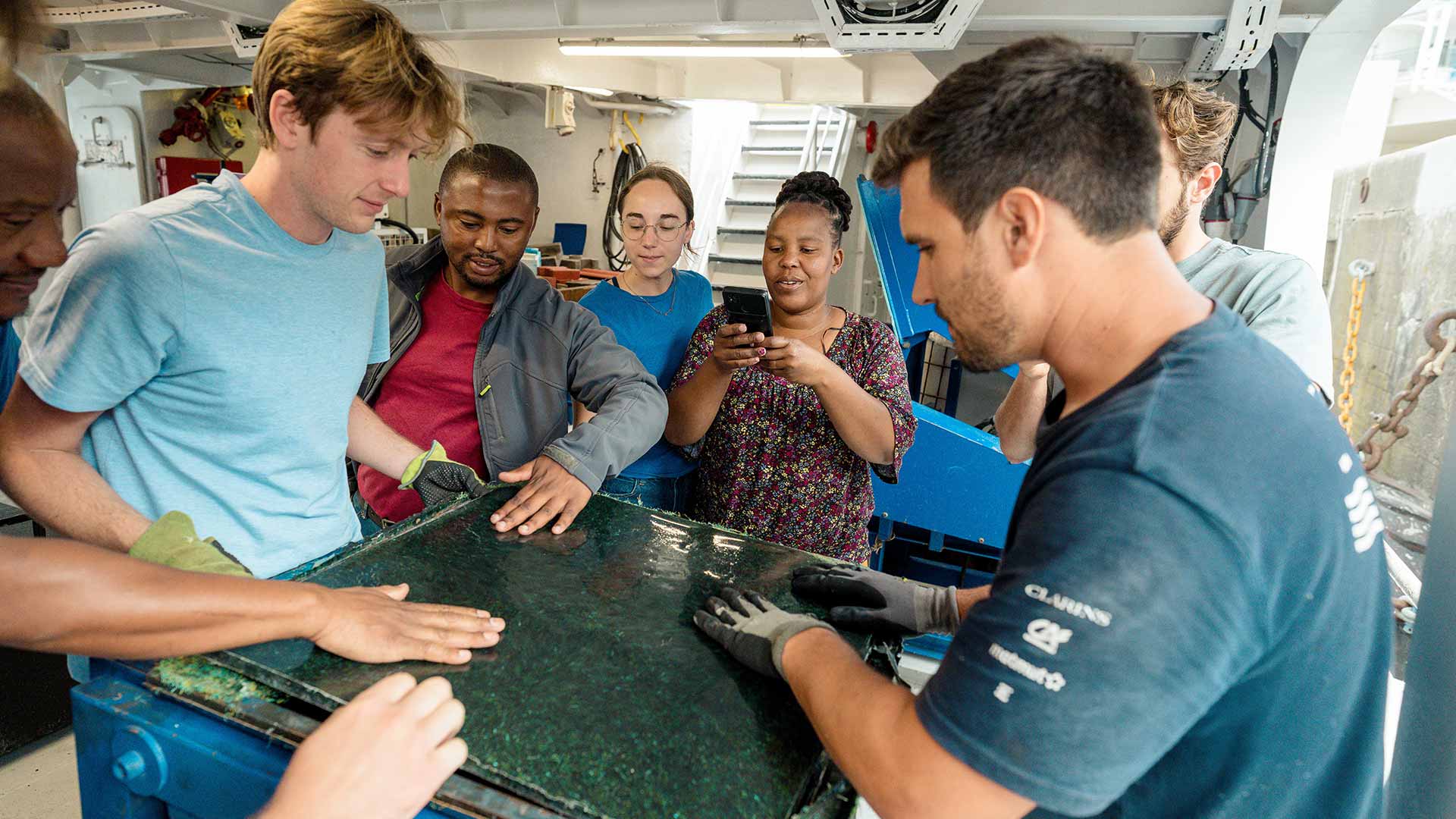
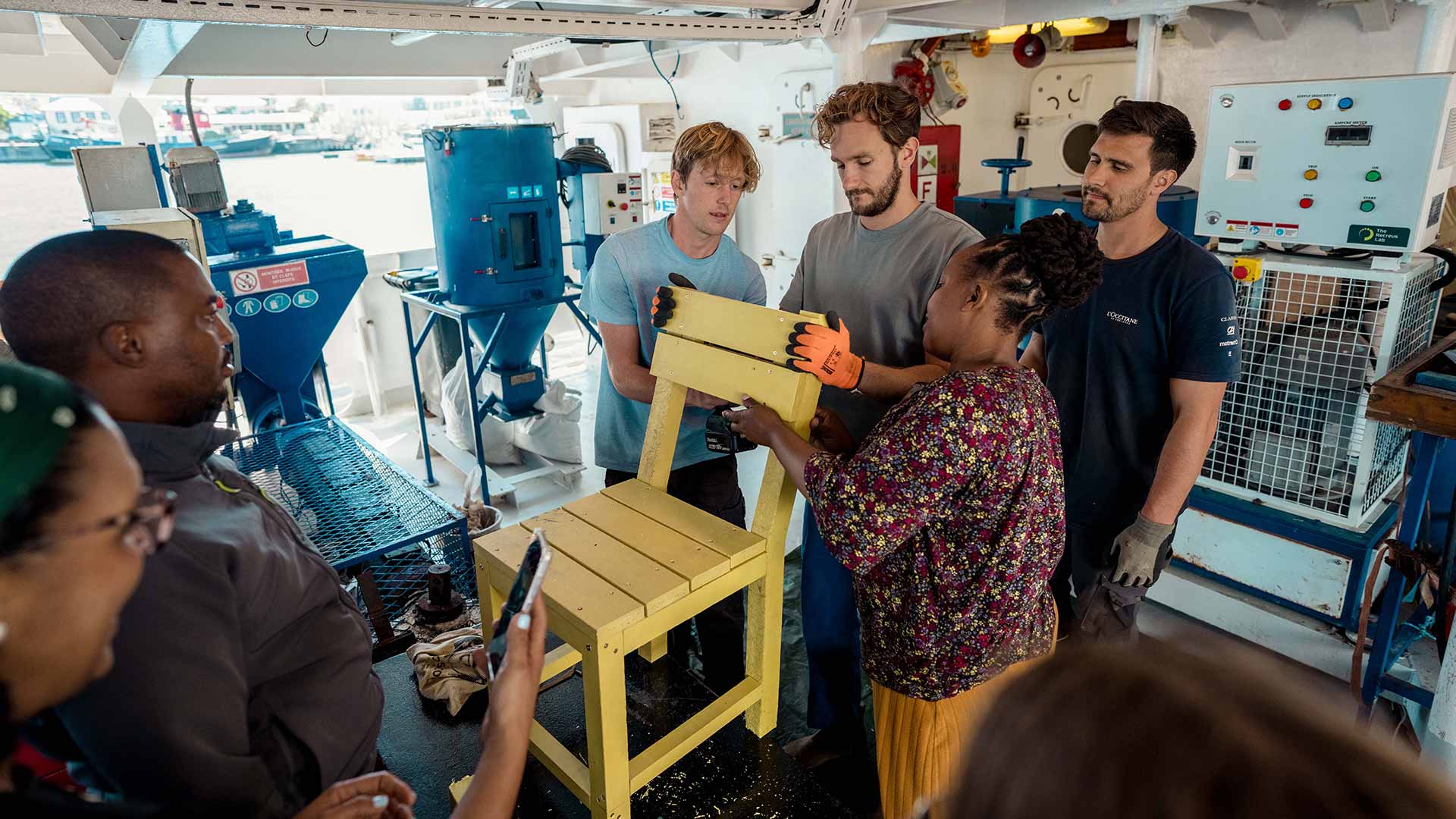
It was in this context that an OnBoard Laboratory was held from Monday, December 15 to Wednesday, December 17, aboard Plastic Odyssey, moored in Cape Town. A dozen participants, including entrepreneurs, academics, industrialists, industry employees, and researchers, gathered to discuss the solutions developed by the ship and its teams, based on more than three years of fieldwork in developing countries.
Presentation of entrepreneurs and initiatives
Loysio Majali – Alnet
Based in South Africa, Alnet is one of two local companies specializing in the production of nets: fishing, sports (soccer), and shade cloth. An old, well-established industry structured around heavy industrial tools.
At its site, Alnet operates high-capacity extrusion lines capable of simultaneously producing up to 300 wires with a diameter of 0.2 mm. These threads feed spools that can reach up to 69 kilometers in length, which are then braided to make ropes and lines, before being knotted to form different types of nets.
The company already recycles its own production waste internally, reintegrating it directly into the industrial process. But Alnet is now looking to go further, exploring projects with a more sustainable dimension, open to prototyping and testing with emerging players.
This is particularly the case with Catchgreen, a partner project aimed at developing PBS fishing equipment for biodegradable applications, as well as nets made from recycled material sourced from end-of-life fishing nets. This approach is still exploratory, but it reveals a growing interest among local industry in more comprehensive and better integrated recycling loops.
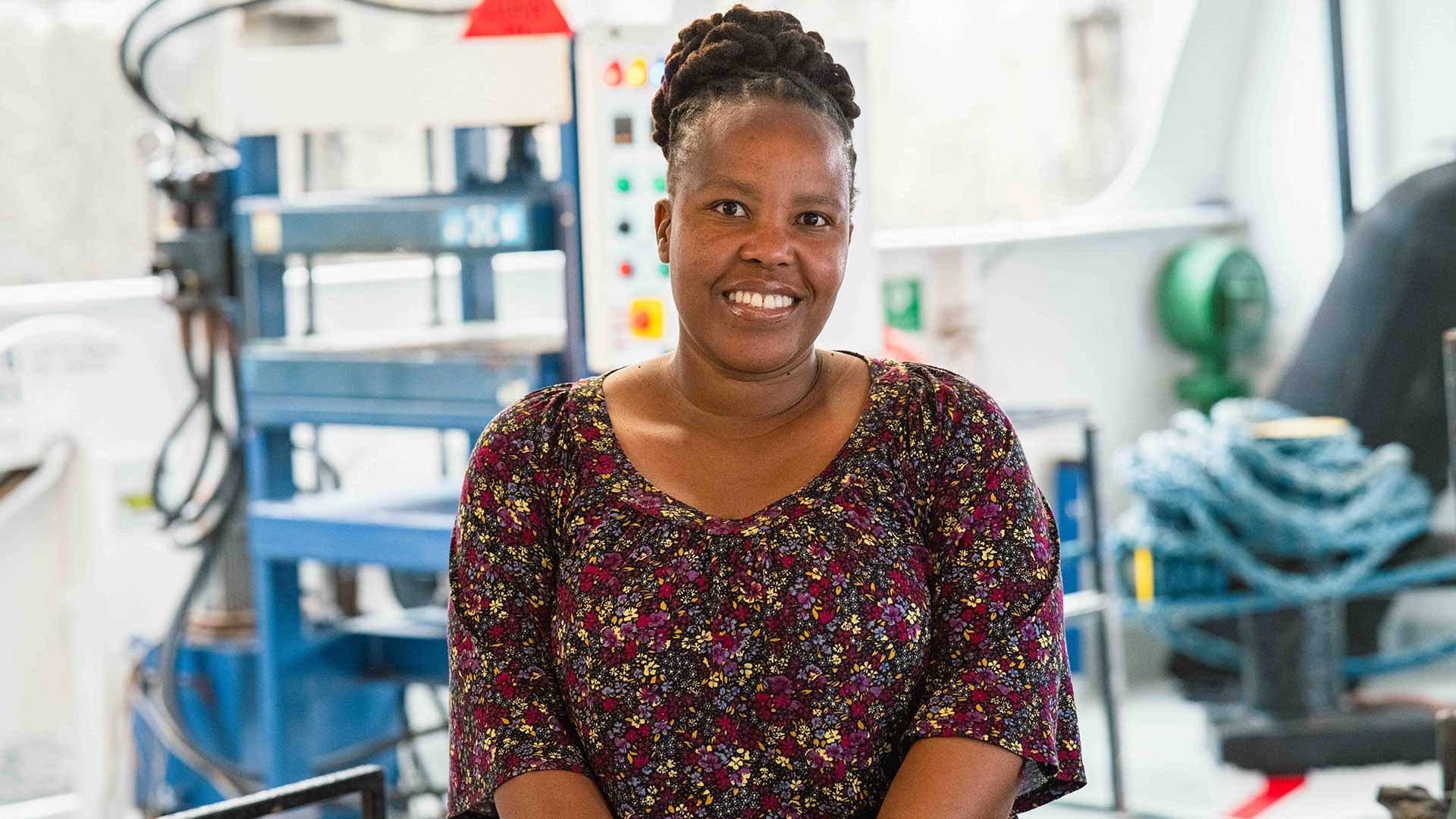
Bukiwe Tshetsha-Mndayi – Mtubana Networks Recyclers
A few hundred meters from the dock where Plastic Odyssey was moored, Bukiwe Tshetsha-Mndayi runs a containerized fishing net recycling plant, located directly on the port. The project, launched in September 2025, is still in its infancy. Its objective is simple and practical: to collect end-of-life fishing nets from fishermen in the port before they end up in landfill.
Bukiwe works with four operators who are responsible for running the POD. During the first few months, the challenge will be to assess the volumes of nets that can be collected on a regular basis, focusing initially on HDPE ends, which are more uniform and easier to recycle.
The container, developed by Ocean Plastic Technologies, is the result of close collaboration with local fishermen and the Ocean and Coastal Empowerment and Action Network (OCEAN) organization. Operationally, the work involves collecting, sorting, cleaning, and processing used nets, while ensuring that the machines are running smoothly and that environmental and safety standards are being met. The nets are pre-cut with shears, shredded, washed, and dried before being resold as ready-to-recycle material to local companies such as Malta Recycling, Melt, and Alnet.
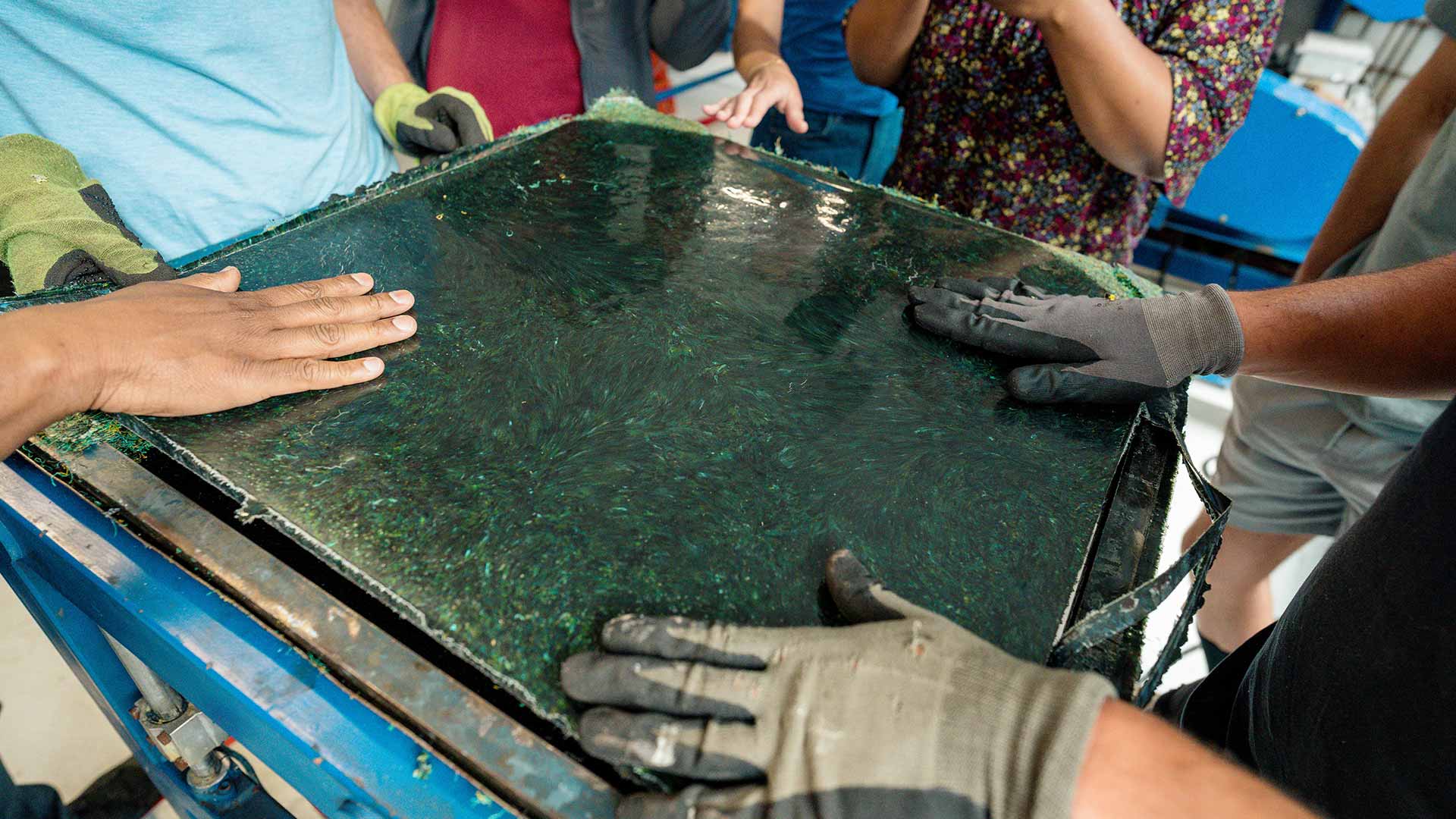
During the OnBoard Laboratory, the first prototype boards were made from this recycled material. Participants even tested out some fun applications, making pickleball rackets—the fastest-growing sport in the world—to demonstrate the versatility and potential of recycled plastics from fishing nets.
Bukiwe has a solid background combining environmental education, waste management within the local municipality of Mhlontlo, and experience at the Department of Forestry, Fisheries, and the Environment (DFFE), particularly in relation to permits for non-consumptive marine species. A profile at the crossroads of technical challenges and natural resource protection.
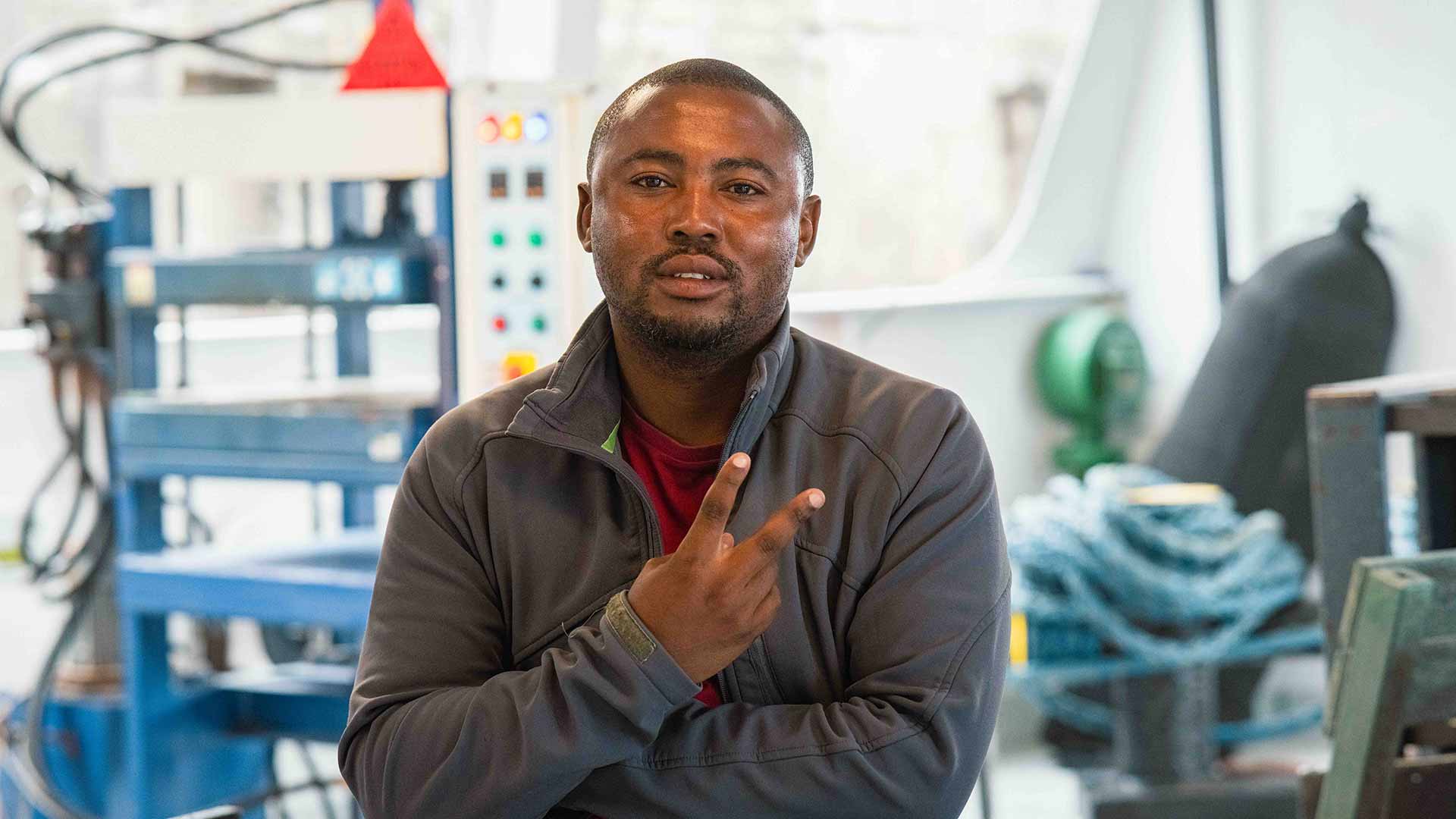
Centane Masande – Mziwodumo Trading
After losing his job, Centane Masande started collecting plastic waste on the streets of Cape Town in 2022. Over time, he structured his business and opened a buy-back center, which now employs a team of five people. His center buys back plastics from collectors and citizens, thereby participating in the local collection and recycling chain.
Centane has benefited from the support of PETCO, which assists buy-back centers by providing resources, training, and better integration into the formal recycling market. Inspired by efforts to structure the sector at the national level, he works closely with local communities, regularly organizing clean-up operations and raising awareness about the importance of sorting and recycling plastics.
Highly interested in the various opportunities surrounding plastic waste, Centane participated in the OnBoard Laboratory to discover approaches and projects from around the world, seeking to enrich its model and reflect on avenues for development for its center.
Joshua Arries – Micro Waste Control
Like many players in the South African recycling industry, Joshua Arries started out small: in 2016, he worked as an informal waste picker, collecting and reselling recyclable materials. Gradually, he structured his business to found Micro Waste Control, now a buy-back center based in Cape Town.
His center collects around 15 tons of plastic per month, purchased from informal collectors and small suppliers. This activity is part of a local collection ecosystem that, throughout the country, relies both on formal networks of recyclers and on the commitment of independent collectors.
Joshua is particularly interested in more advanced recycling solutions, including the manufacture of pallets made from recycled plastic, a product for which he has already identified commercial demand. During the OnBoard Laboratory, he was able to prototype a pallet on board, which will enable him to present his idea in a more concrete way to potential partners and customers.
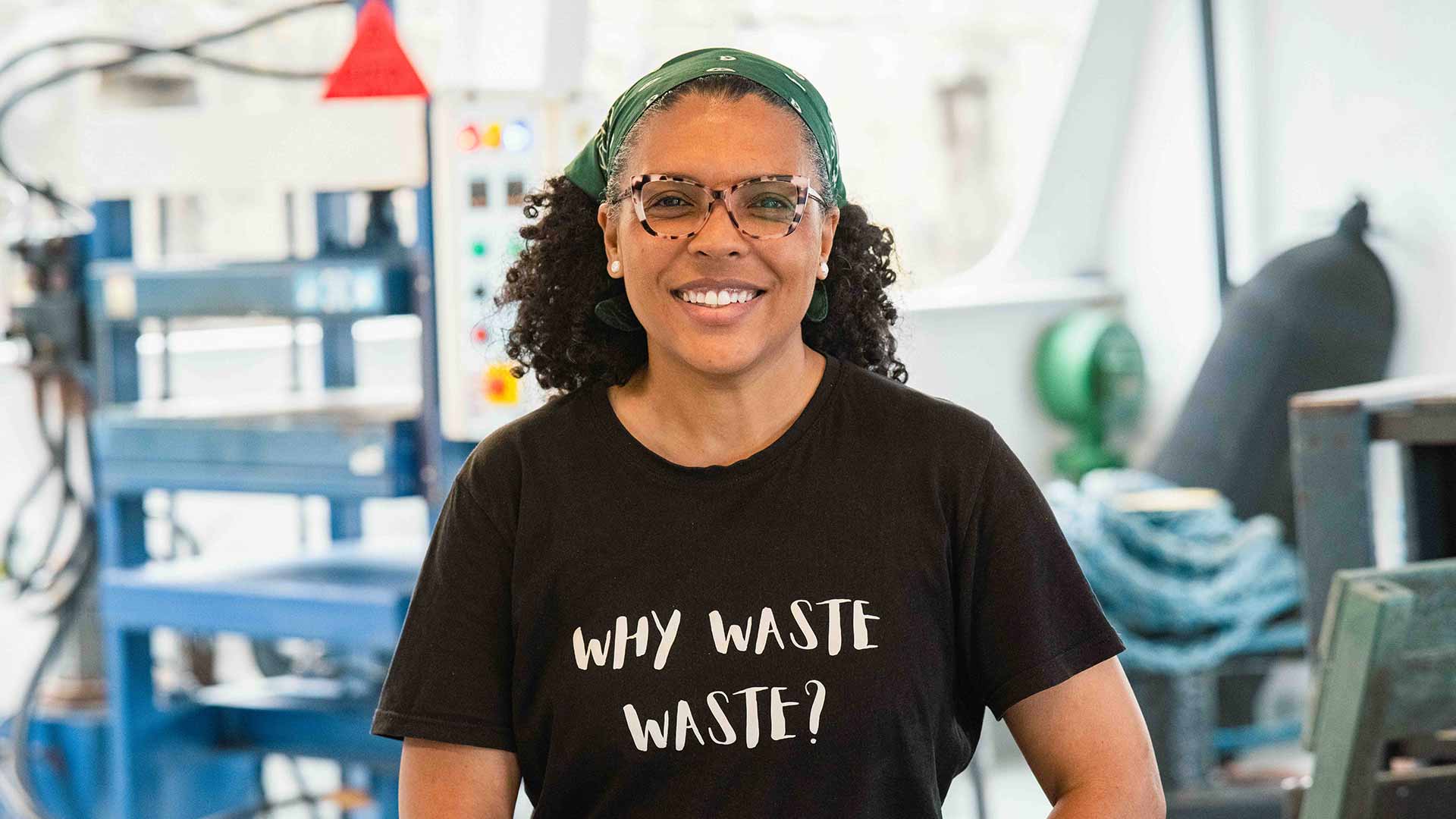
Lizl Naudé – Co‑fondatrice, Lilly Loompa
Lizl Naudé is the creative force behind Lilly Loompa, a South African company that transforms waste into useful and attractive objects. A designer and social entrepreneur based near Cape Town, she heads up an upcycling business whose small team gives a second life to materials that would otherwise be destined for landfill, transforming them into everyday objects or corporate gifts with significant value.
Lilly Loompa designs a wide variety of products: home accessories (trays, utensil holders, decorations), lightweight furniture, and customized items for corporate gifting. All these objects are created from carefully collected waste—plastic, glass, wood, or metal—which is then cleaned, restored, and reinvented into desirable and functional products.
Lizl was particularly interested in the opportunities offered by the transformation of plastics that are difficult to recycle, which led to her involvement in the OnBoard Laboratory in Cape Town. On site, she was able to test processes that she had not yet tried with her own machines. She has a small injection molding machine and recently acquired a hot press to produce recycled plastic sheets. Unfortunately, this machine only worked for a few days, which limited her experiments. It was in this context that she was particularly interested in the press on board Plastic Odyssey, which she was able to see in action and test for herself.
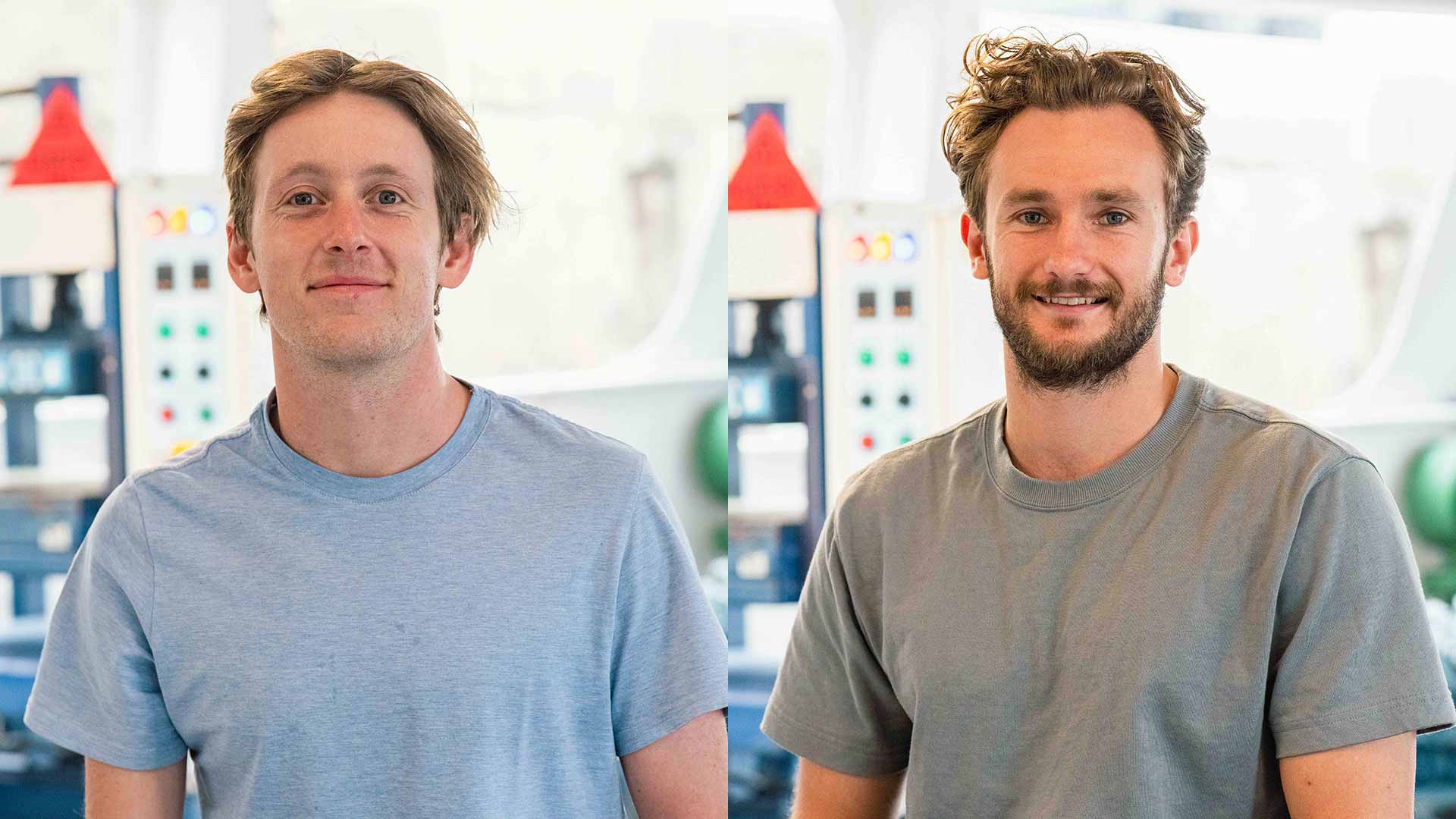
Nicky Kileen & Niall Elassi – Melt et Plastic Pioneers
Plastic Pioneers is a South African initiative that explores new ways to turn plastic waste into useful materials and objects. Founded in late 2023 by Nicky and Niall, the project began in a garage, with a small oven purchased to melt discarded plastics and experiment with creations made from this waste. The idea was simple: to view plastic not as a problem, but as a raw material to be reinvented. Initially, the products were made using a small injection molding machine, resulting in recycled earrings, which enjoyed initial commercial success and served as a starting point for their explorations.
Over time, they developed their own equipment: a melting furnace and a hydraulic plate press capable of producing 2.4 m × 1.2 m sheets of recycled plastic, paving the way for larger items such as tables, benches, and shelves. In 2024, building on this bootstrapping mindset, Nicky and Niall launched Melt, a brand dedicated to creating designer interior furniture from recycled plastic, thereby expanding their scope beyond their initial small-scale objects.
During the OnBoard Laboratory in Cape Town, their interest focused on the feedback gathered by Plastic Odyssey during its stopovers, but also on the opportunity to test in situ material transformation processes that they had not yet explored at home. In their duo, Niall plays more of a sales role, while Nicky positions himself as a scientist and maker, orchestrating technical experiments. They took notes on the feedback and practices shared by Plastic Odyssey in the various countries visited, which now serves as a basis for guiding their strategic and technical development as Melt and Plastic Pioneers grow.
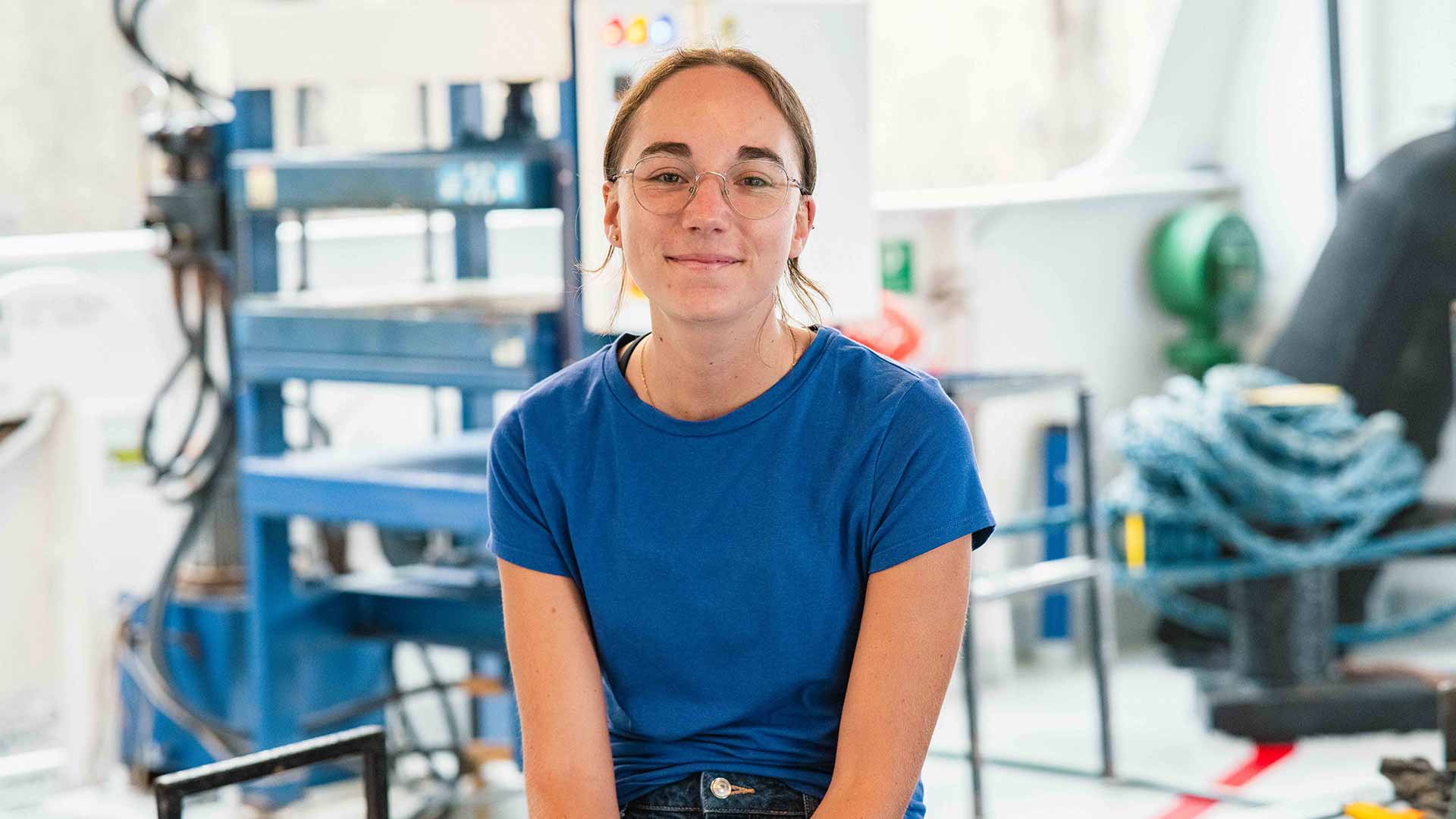
Camryn Jordaan – Stellenbosch University
A student of green chemistry and polymer science at Stellenbosch, Camryn Jordaan is interested in sustainable solutions for plastic recycling. The OnBoard Laboratory allowed her to discover different projects in a concrete way and to think about how her expertise could be applied to initiatives such as Catchgreen in the future.
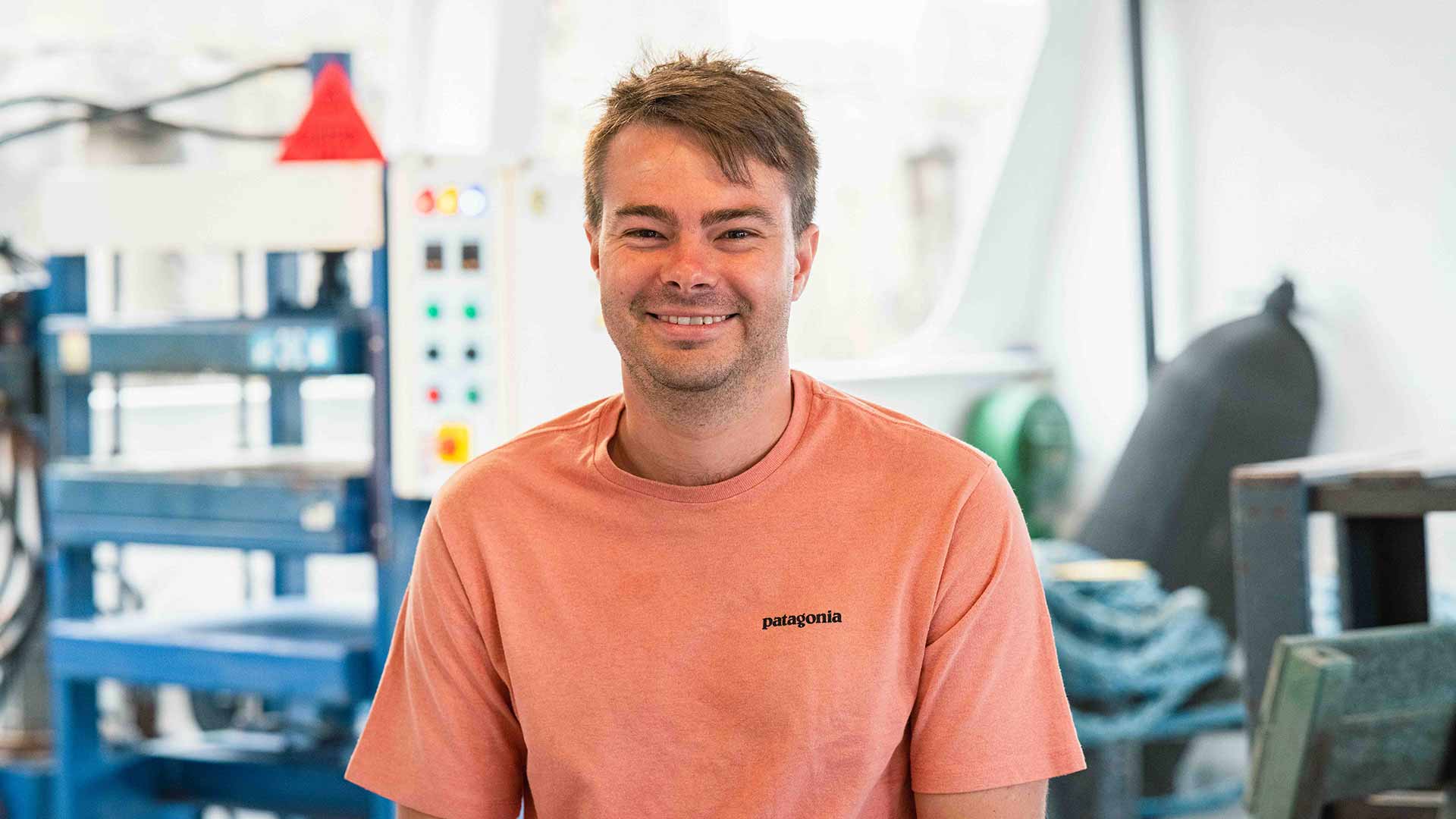
Luke White – Catchgreen
Luke White is the technical director at Catchgreen, a startup that aims to transform the fishing gear industry. With Alnet, Catchgreen develops biodegradable nets and ropes made from PBS, designed to replace traditional nylon or polyethylene nets.
Luke took a break from his studies in polymer science at Stellenbosch University to devote himself fully to the project. Since 2024–2025, Catchgreen has been marketing its biodegradable polymer and is now developing a project to recycle end-of-life nets.
During the OnBoard Laboratory in Cape Town, he took an interest in local recycling approaches and explored how his biodegradable nets could be integrated into existing collection and recovery chains. He also closely monitored the tests carried out on board on fishing nets to assess their potential for processing and reuse.
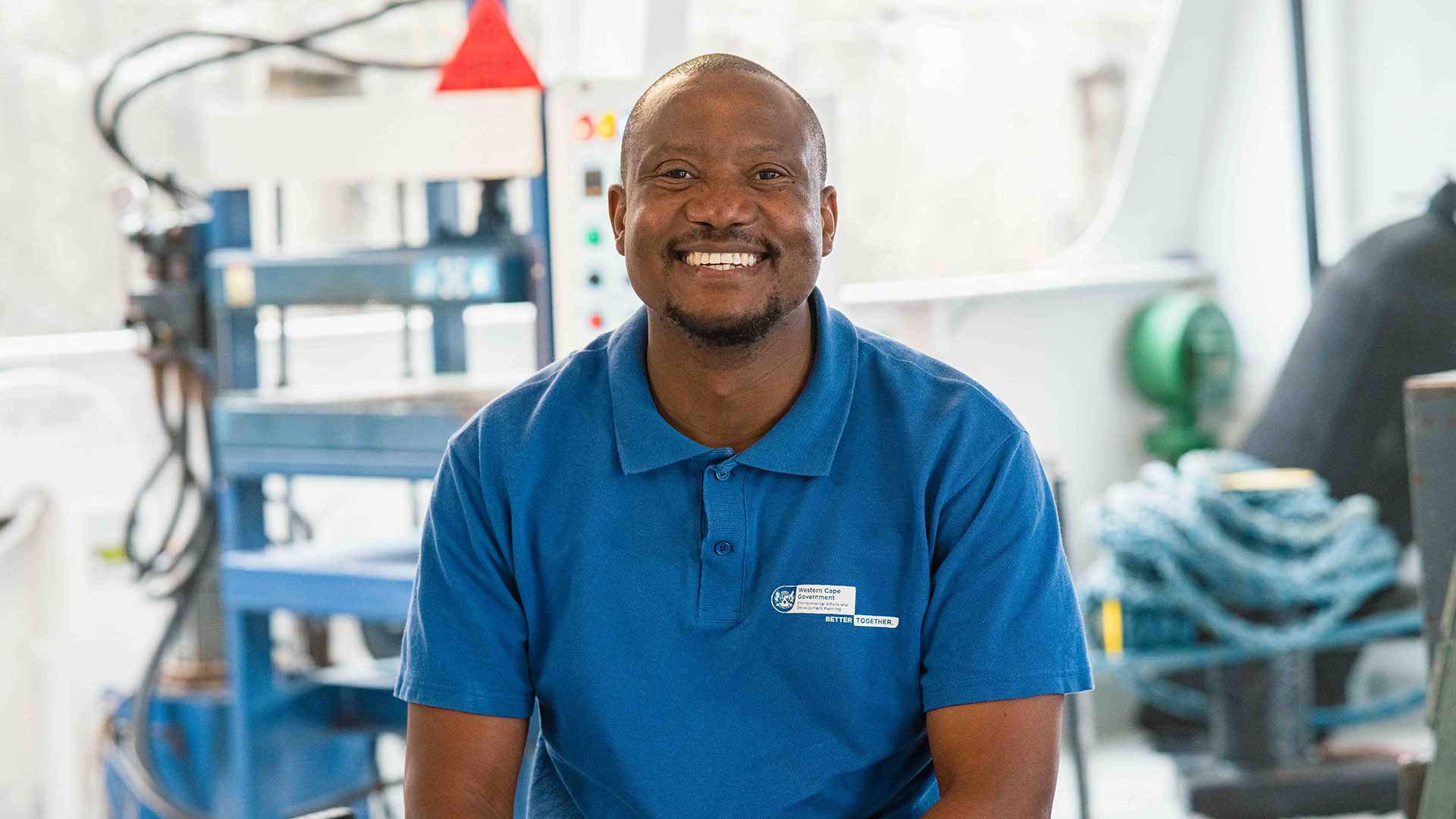
Ron Mukanya – Western Cape Government
Ron Mukanya oversees community and school waste collection programs in the Western Cape province, covering approximately 1,500 schools. His team developed containerized collection points equipped with a small baling press, a sorting table, and a scale. Around 100 have already been deployed, and each center generates around 25,000 rand per month (≈€1,350), enabling students who bring in waste to be rewarded with shoes, uniforms, or school supplies.
Although his team consists of only two people, Ron relies on community support to carry out his projects and has notably rehabilitated several landfills that were previously playgrounds for children. During the OnBoard Laboratory, he showed great interest in the containerized factory format developed by Plastic Odyssey, which he plans to adapt to strengthen and expand his initiatives.
Sharon Manqina – Forvia
Sharon came with an industrial look. Forvia, a global automotive supplier and plastics manufacturer, has a site in Cape Town where vehicle interiors are manufactured. Responsible for industrial design, manufacturing processes, and machine specifications, she wanted to gain a better understanding of recycling solutions in order to assess the possibility of developing equipment in-house or collaborating with existing local projects.
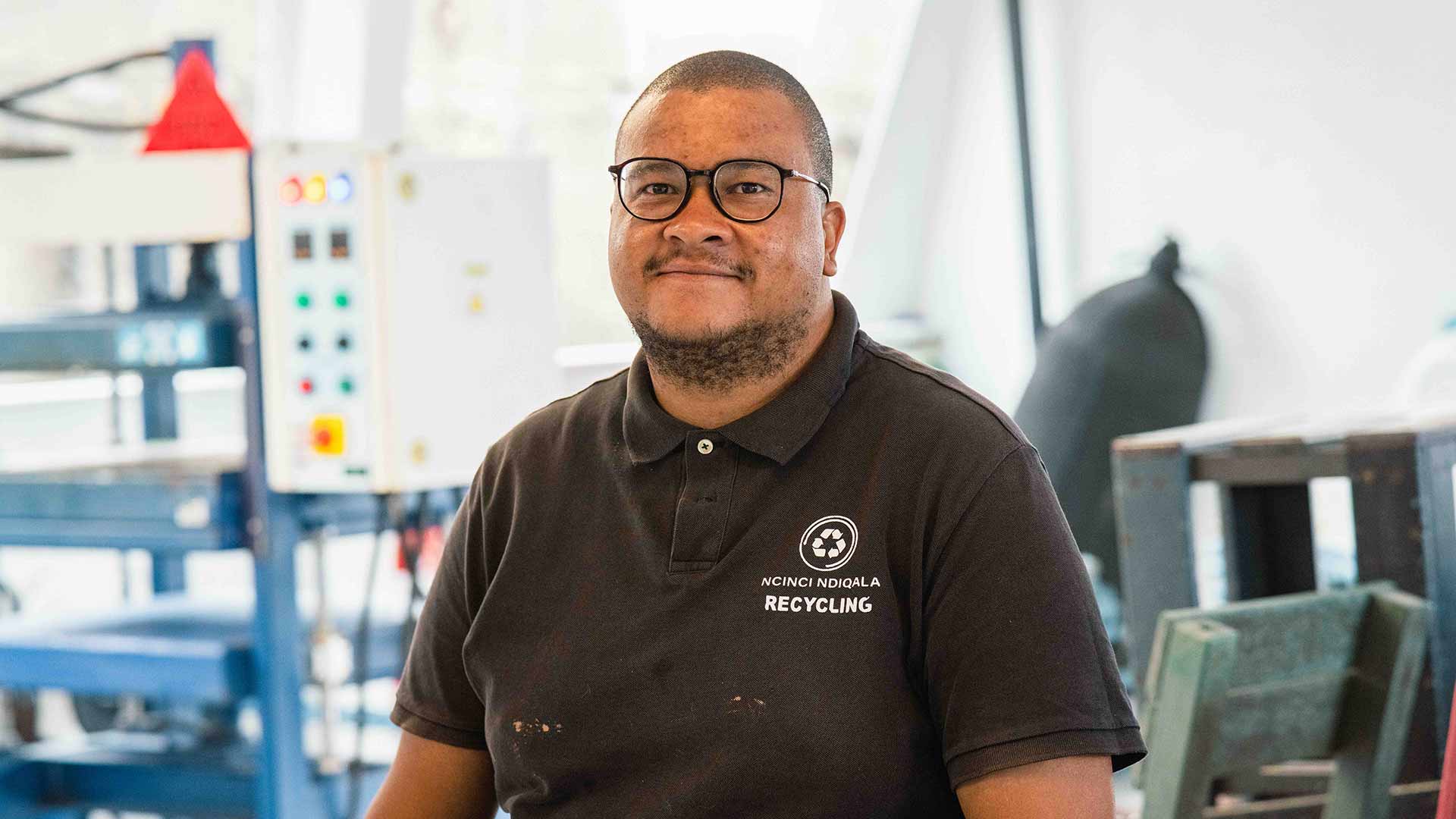
Caz Johnson – NCINCI NDIQALA
Caz Johnson runs NCINCI NDIQALA, a family business specializing in the management of used oil drums. The company operates a collection service at more than a hundred gas stations, garages, and workshops, enabling it to recover around 40 tons of plastic per year.
The Our Oil Cans project focuses on the safe collection, drainage, and recycling of these cans, which are considered hazardous waste due to oil residues that can contaminate soil and water. NCINCI NDIQALA has developed a customized drainage system that separates oil from plastic, transforming a hazardous stream into two valuable resources: recovered oil and clean HDPE, both of which are fed back into the recycling chain.
Beyond its environmental impact, the project generates local employment, encourages better waste management practices among automotive professionals, and relies on partnerships with the ROSE Foundation and the City of Cape Town to ensure proper management of hazardous waste across the province.
During the OnBoard Laboratory, Caz broadened his understanding of the global plastic recycling ecosystem. He showed particular interest in the washing tank designs developed by Plastic Odyssey, with the aim of testing the integration of this step directly into his own process.
From waste to object: transforming plastic
Discussions in the conference room alternated with practical sessions in the on-board recycling workshop. Sorting plastics, grinding, extrusion: participants followed all the initial stages of material processing. A prototype recycled plastic sheet, made from shredded fishing nets provided by one of the incubated entrepreneurs, was used to conduct feasibility tests, particularly for furniture applications.
The session concluded with the assembly of a chair and a pallet, allowing everyone to gain a concrete understanding of the entire recycling chain, from waste to finished product.
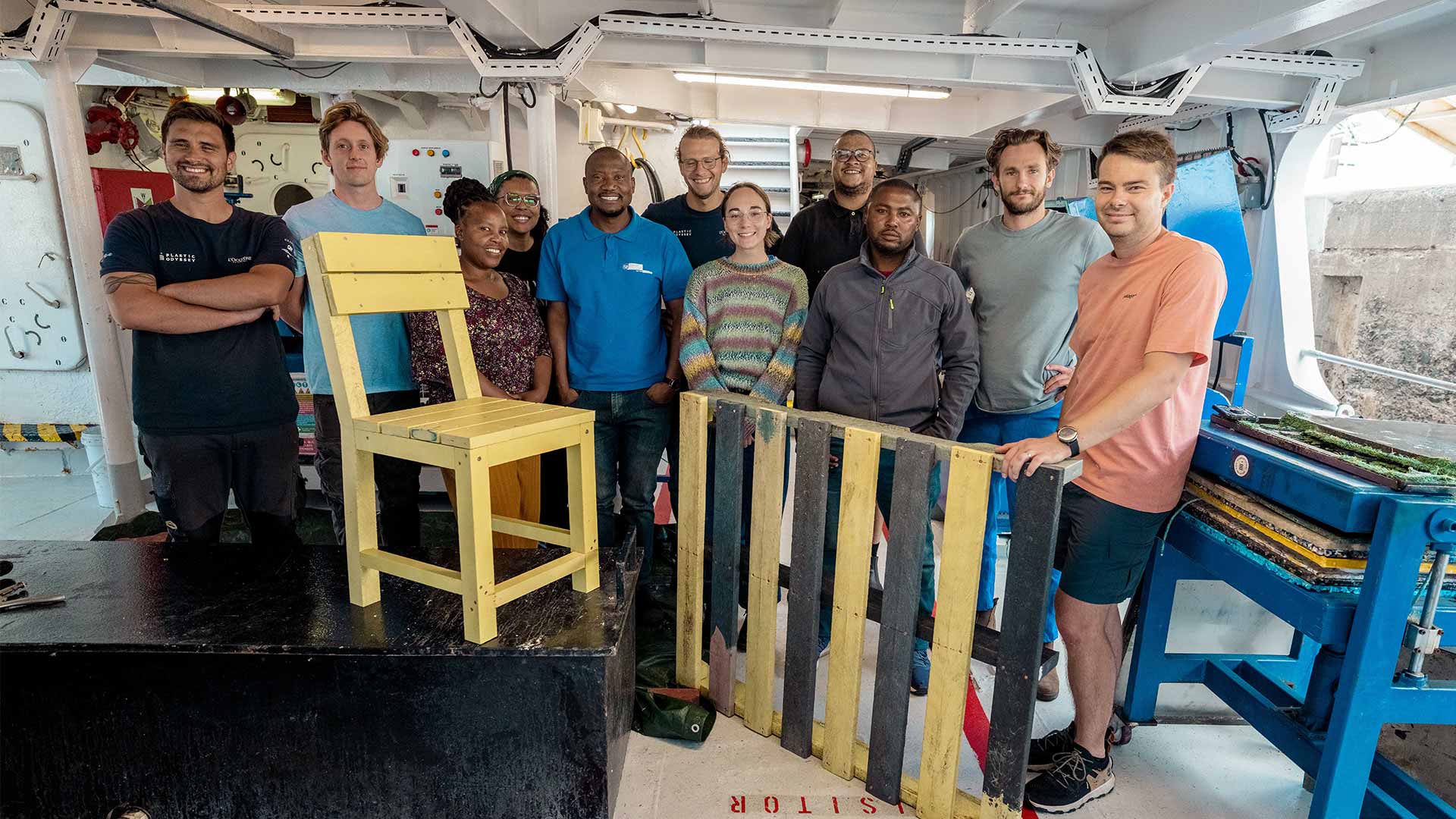

OnBoard Laboratory, our incubation program for recycling entrepreneurs
At each stopover on the expedition, the Plastic Odyssey vessel welcomes on board several local recycling entrepreneurs to exchange ideas and develop concrete solutions to combat plastic pollution.